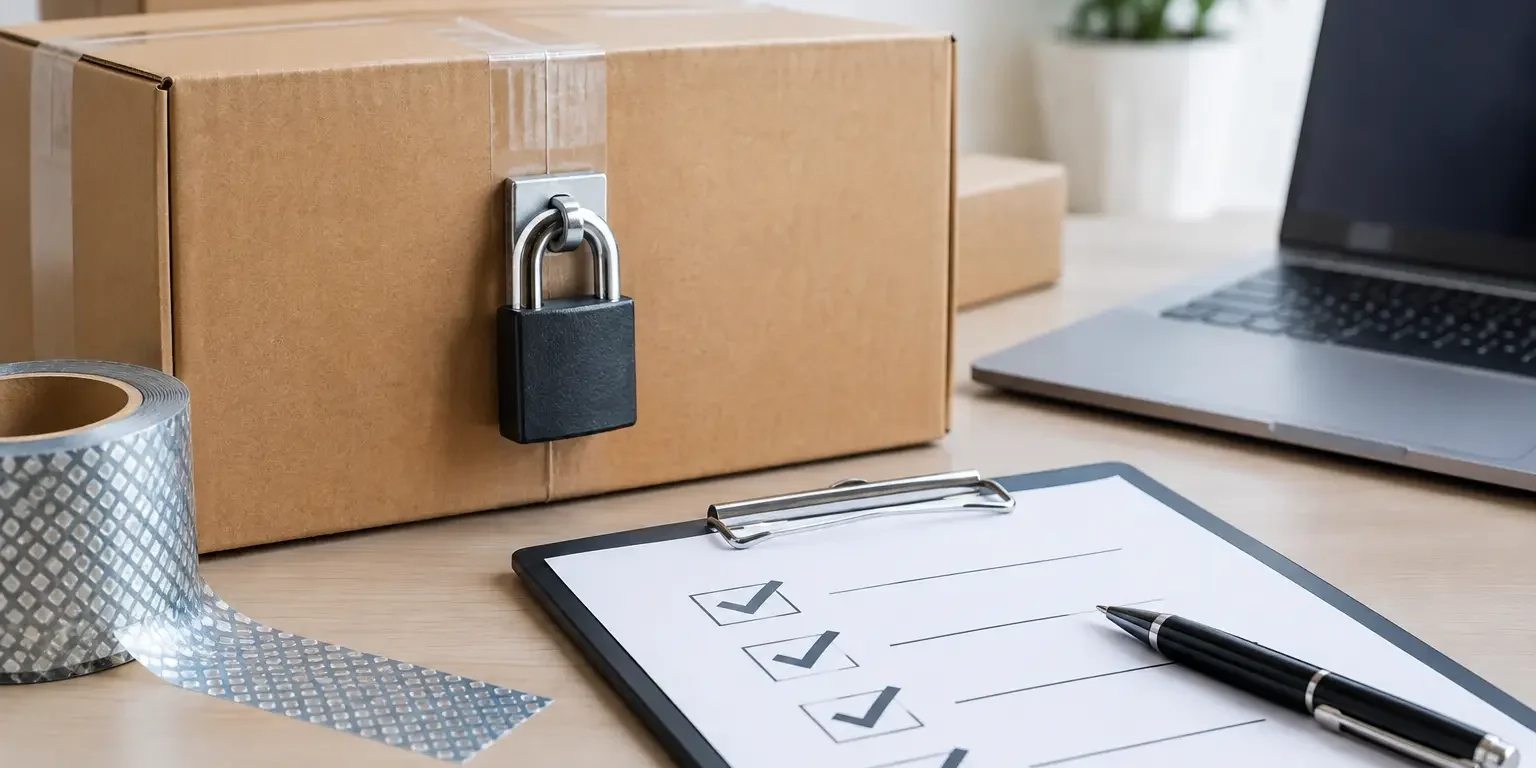
A packaging security procurement checklist is not simply a buying exercise. It is a way to decide how your product will prove it is genuine, show whether it has been opened, and give customers confidence at the point of purchase. Get the brief right before requesting prices and you will avoid paying for features that do not address your real risk – or choosing a label that looks impressive but is easy to copy.
For a growing brand, the immediate concern may be unauthorised sellers or substituted stock. For a pharmaceutical, electronics or alcohol supplier, package interference and consumer safety may be the priority. The right answer depends on the product, route to market and likely threat. That is why security procurement should begin with practical questions rather than a fixed label specification.
Start with the risk, not the label
Ask what you are trying to stop, detect or discourage. Counterfeit goods, grey-market diversion, refilled packaging and unauthorised access can look similar from a distance, but each calls for a different mix of protection.
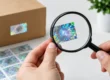
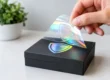
A visible hologram can make a product harder to imitate and easier for a customer or retailer to recognise. A tamper-evident seal adds another job: it makes opening apparent. Covert features, such as UV-reactive artwork or hidden text, give staff and investigators a way to authenticate an item away from the public eye.
Write down where the risk occurs. Is it at a distributor, in a warehouse, on a retail shelf, during delivery or after resale online? Also consider who needs to inspect the security feature. A consumer needs something simple to recognise. A quality team can use a more discreet check. Often, a layered approach works best: overt branding for reassurance, tamper evidence for package integrity and a covert device for controlled verification.
Packaging security procurement checklist: define the application
Before approaching a supplier, document the details that determine whether a label will perform as intended. This does not need to be a complicated technical document. Clear photographs of the packaging and honest information about its journey are a very good start.
Consider the following points:
- The packaging surface: card, coated board, glass, plastic, metal, film or a textured material all affect adhesion.
- The point of application: hand-applied labels need practical handling, while automated application may require a particular roll format, label direction and spacing.
- Environmental conditions: refrigeration, heat, moisture, oils, abrasion and outdoor exposure can all influence material selection.
- Seal position: identify exactly where a label should bridge a lid, carton flap, cap or closure so opening creates visible evidence.
- Label size and shape: leave enough space for the security effect to be visible without overwhelming your branding or mandatory pack information.
Do not assume a standard adhesive will suit every product. A label applied to a clean folding carton has very different requirements from one used on a cosmetic jar or industrial component. If the packaging may change during the life of the contract, say so early. A modest design adjustment can prevent an expensive rework later.
Decide what tampering should look like
Tamper evidence is most useful when the result is clear. A destructible label breaks apart when removal is attempted. Void and honeycomb materials can leave a message or patterned residue on the surface, making interference difficult to hide. The best choice depends on whether you want the packaging itself to show evidence, the removed label to be visibly altered, or both.
There is a trade-off. Stronger tamper materials may be unsuitable for delicate packaging surfaces or situations where residue is unacceptable. Ask for advice based on the real pack, not an idealised description. Testing a sample on production packaging is sensible, particularly where temperature, surface coatings or application pressures vary.
Specify authentication features people can use
Security works when the right person can recognise it quickly. Holographic movement, custom artwork and colour effects provide a clear visual signal that is difficult for a basic printed imitation to reproduce. A bespoke hologram incorporating your logo, name or a recognisable pattern also makes the label part of the brand experience rather than an afterthought.
For higher-risk goods, consider adding features that are not obvious at first glance. UV elements can be checked with an appropriate light source. Hidden text or images can be placed within the design. Thermo-reactive or coin-reactive devices create an additional physical check. Scratch-off areas can keep a verification detail concealed until required.
The key procurement question is not, “How many features can we add?” It is, “Which features will be checked, by whom, and when?” A covert feature that nobody knows how to verify offers limited practical value. Build a short internal verification process alongside the label specification, including photographs of genuine labels and instructions for handling suspected items.
Protect the brand without confusing the customer
A security label must support the packaging design. If it appears like a cheap afterthought, customers may not understand its purpose. If it dominates the pack, it can undermine a premium presentation. Good security design balances recognition, clarity and resistance to copying.
Provide your logo, brand colours and any essential artwork at the start of the design process. Explain whether the label should be discreet, decorative or clearly positioned as an authenticity seal. Bespoke hologram labels can carry branded motifs and layered security devices without forcing you into a generic appearance.
Avoid relying on visual complexity alone. Counterfeiters can copy the broad look of a label, even if they cannot reproduce the real holographic effect. Small details that your team understands, combined with tamper evidence and controlled supply, create a much stronger deterrent.
Assess the supplier beyond the unit price
Unit price matters, especially when margins are under pressure. But the cheapest label is not necessarily the lowest-cost choice if it fails to adhere, is too easy to imitate or arrives too late for a packaging run. Compare suppliers on the whole requirement: design support, material suitability, minimum order quantity, turnaround, proofing, consistency and clarity of pricing.
Ask how the supplier will translate your risk into a workable label. You should be able to discuss security options in plain English and understand what each one contributes. Technical complexity is the supplier’s job, not yours.
It is also reasonable to ask about proofs and samples, expected lead times, artwork approval and how repeat orders will be managed. Where your need includes serial numbers, barcodes, variable data, asset labels or custom text, make sure this is identified early, as it may require a specialist variable-data solution rather than a standard hologram label order.
HologramLabel.co.uk supports bespoke holographic labels with tamper-evident options and low minimum order quantities, which can be particularly useful when testing a new product line or refining a security approach before a larger run.
Put controls around the labels themselves
Security labels are only protective if they are controlled before application. Limit access to unused stock, record quantities received and issued, and investigate unexplained waste. This need not become burdensome bureaucracy. For many businesses, a simple stock record and a named person responsible for release are enough.
Think about what happens on the production line too. Define where labels are stored, who applies them and how damaged or surplus labels are disposed of. If labels are applied by a contract packer, include these expectations in the working instructions. The aim is to prevent genuine labels being separated from genuine products.
Finally, agree how the business will respond when a suspect product appears. Retailers, distributors and customer-service teams should know who to contact and what information to retain. A quick, consistent response protects customers and gives you useful evidence about where the problem may have entered the supply chain.
The most effective security label is one that fits your product, your people and your budget well enough to be used consistently. Bring the real packaging, the real risks and your most ambitious brand ideas to the discussion – then build protection that is difficult to copy and easy to trust.