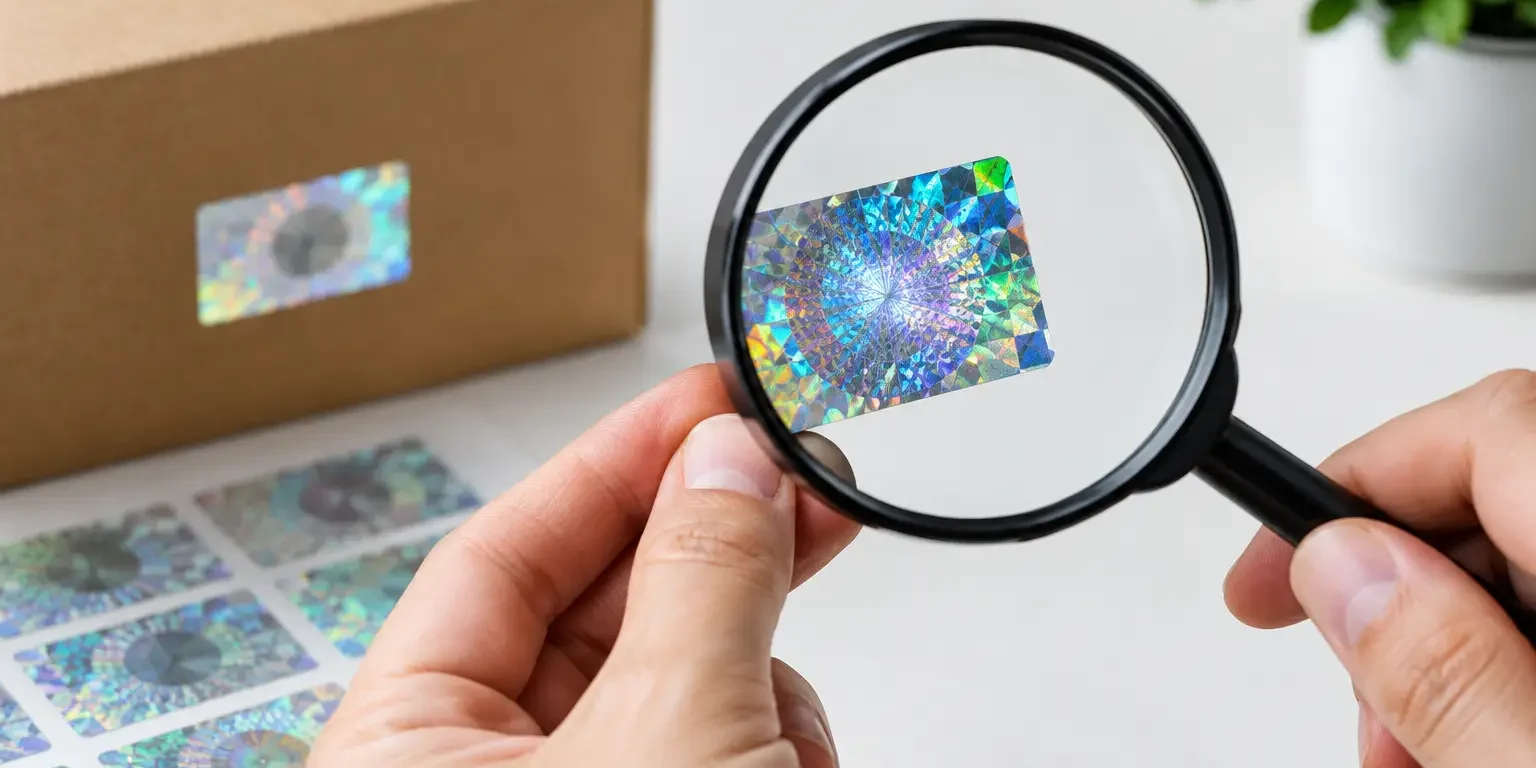
A counterfeit rarely arrives looking obviously fake. It may use convincing packaging, familiar colours and a copied logo, then enter the supply chain through an unofficial distributor or online marketplace. The best anti-counterfeit label features give your team, trade customers and end users a practical way to spot the difference before a fake product damages trust in your brand.
For most businesses, the right answer is not simply the most complicated label available. It is a considered combination of visible authentication, tamper evidence and features that are difficult to reproduce. The level of protection should reflect the value of the product, the likely route to market and the consequences if a counterfeit reaches a customer.
Start with the threat, not the label
A cosmetic product sold through authorised retailers faces a different risk from a high-value automotive component, pharmaceutical item or limited-edition collectible. Before choosing security devices, consider who needs to check authenticity, where they will check it and what action they can take when something looks wrong.
If a consumer needs reassurance at the point of purchase, an overt feature they can recognise is useful. If a distributor needs to verify stock away from the public eye, a covert feature may be more appropriate. Where substitution, refilling or package interference is the main concern, tamper-evident material should lead the specification.
This approach also keeps spending sensible. Adding every available feature does not automatically make a label more effective. A well-designed hologram with a clear verification process can be stronger commercially than a crowded label that nobody knows how to check.
Best anti-counterfeit label features for layered protection
The strongest labels use layers. One feature creates an immediate visual cue, another confirms whether the item has been opened, and a further device gives trained staff a private method of authentication. This makes copying more difficult and makes a successful copy less useful.
Custom holographic imagery
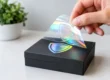
A holographic effect is instantly noticeable, changes appearance as it moves in the light and is far harder to imitate convincingly than ordinary metallic print. Custom artwork can incorporate a logo, brand pattern, product symbol or bespoke background design, turning the security label into a recognisable part of the pack.
The benefit is not only technical. A consistent hologram teaches customers what genuine packaging should look like. It can also improve presentation, particularly on premium consumer goods, spirits, cosmetics and collectibles. Stock hologram labels offer a fast, cost-effective visible deterrent, while bespoke designs give a brand a security device that counterfeiters cannot simply buy off the shelf.
Tamper-evident materials
Authentication confirms what a product is. Tamper evidence helps show whether somebody has interfered with it. For products in sealed boxes, bottles, cartons or electronic housings, this distinction matters.
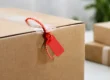
Void labels leave a visible message or pattern when removed. Destructible materials break apart rather than peeling away in one piece. Honeycomb effects can reveal opening attempts through a distinctive fractured pattern. Each option makes it difficult to lift and reapply the original seal without leaving evidence.
Material choice depends on the surface and the intended customer experience. A destructible label may suit a smooth component or warranty seal, but it is not designed to be removed neatly. A void label can provide a very clear warning on packaging, though the adhesive and residue need testing on the actual substrate. Paper, coated board, glass, plastic and textured surfaces can all behave differently.
Hidden text and images
Covert features add a second line of defence that the public does not necessarily know exists. Hidden text, micro-detail or concealed images can be built into a holographic design and checked by people who have been told what to look for.
These details are valuable when a counterfeit looks convincing at first glance. They give brand protection teams, authorised distributors and quality-control staff a controlled check without advertising every security measure to a counterfeiter. Covert devices work best when access to the checking method is limited and instructions are kept simple.
UV-reactive authentication
UV features reveal text, graphics or markings under ultraviolet light. They are quick to check with a suitable torch and useful where trade partners, warehouse teams or field representatives need a practical verification method.
A UV feature should not be treated as the only defence on a high-risk product. Basic UV inks can be imitated, particularly when the design is predictable. Combined with a custom hologram, tamper-evident construction and a less obvious covert detail, it becomes a much more meaningful barrier.
Thermo-reactive and coin-reactive devices
Thermo-reactive areas change when warmed by touch, while coin-reactive features respond when rubbed with a coin. Both give a checker an interactive test that is easy to explain and difficult to replicate accurately with standard print.
They can be particularly useful when a product is handled by sales staff or specialist distributors rather than inspected only on a production line. The trade-off is that these features need clear placement and a straightforward instruction. If the feature is too small, poorly positioned or not explained, people may never use it.
Scratch-off panels
Scratch-off areas conceal a feature until the coating is removed. They can hide a verification mark or other information intended for use after purchase, during activation or at a controlled point in the supply chain.
This can be a sensible option where revealing the information too early would weaken security. However, a scratch-off panel is not automatically anti-counterfeit protection by itself. Its value comes from what sits beneath it and how the result is checked. If your requirements include unique serial numbers, barcodes or variable data, this normally calls for a specialist variable-data solution alongside the security label.
Design for the person doing the check
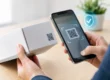
Security features only protect products when somebody can recognise and act on them. That means the label design must account for the real checking environment. A warehouse operative may have seconds to inspect a carton. A pharmacist may need to confirm that a seal is intact. A consumer may only compare the pack against a product image they have seen before.
Keep visible cues obvious. Place a hologram where it can be seen without opening the pack, and position tamper evidence across the natural opening point. Avoid hiding the most useful security feature beneath a fold, on a curved surface where it distorts, or in a place likely to be scuffed during transit.
It is also worth deciding what happens after a failed check. Teams should know whether to quarantine goods, contact the supplier, photograph the item or escalate it internally. A security label creates evidence, but a simple response process turns that evidence into protection.
Balance security, packaging and cost
The right label must suit your pack as well as your risk profile. A large label with multiple effects can look impressive on a presentation box, but may be impractical on a small vial, cable, component or compact retail pack. Equally, a very discreet seal may protect a product without giving customers the visible reassurance they expect.
Order volume matters too. A growing brand may need low minimum quantities while testing new packaging, whereas an established manufacturer may need repeatable specifications across several product lines. Bespoke holographic design can be tailored to both situations, allowing businesses to start with an appropriate security level and develop it as the risk changes.
Do not overlook application. Labels applied by hand may need a more forgiving format than those applied by automated equipment. The label must remain secure through handling, temperature changes and normal product use, while still performing as intended if someone tries to remove it. Testing samples on genuine packaging is a sensible part of the process, not an optional extra.
Choosing a supplier with the right questions
A productive supplier conversation should cover more than dimensions and quantity. Explain the product, packaging material, route to market and the problem you are trying to prevent. Ask which tamper-evident material fits the surface, how overt and covert devices can work together, and whether the label can incorporate your branding without weakening the security design.
At HologramLabel.co.uk, bespoke hologram labels can combine branded artwork with hidden images, UV devices, thermo-reactive effects, coin-reactive features and tamper-evident materials. The aim is to make sophisticated protection straightforward to specify, with honest pricing and no need for buyers to become label-production experts.
A counterfeiter looks for the easiest product to copy and the easiest customer to mislead. Give them neither: choose labels that make authenticity visible, interference evident and verification clear for the people who matter most.