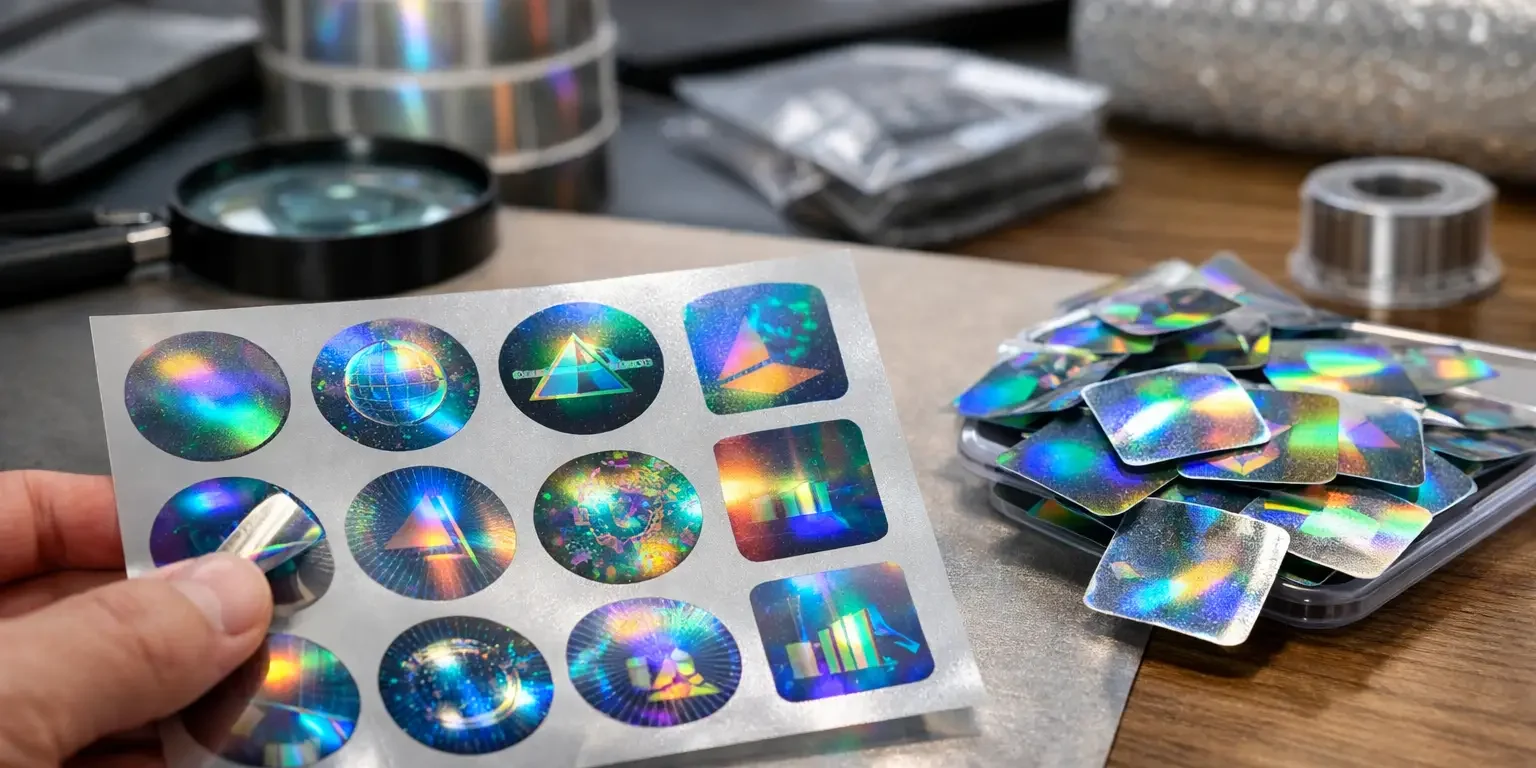
A new product launch rarely needs 100,000 security labels. You may be testing a premium cosmetics range, protecting a limited-edition collectible, or introducing a specialist replacement part to market. When you need to source low quantity holograms, the challenge is finding protection that looks credible and performs properly without forcing your business into an oversized order.
Low-volume hologram buying should not mean accepting a generic sticker or compromising on tamper evidence. The right specification can give smaller runs the same clear message as larger ones: this product is genuine, this pack has not been opened, and your brand takes quality seriously.
Why low quantity holograms make commercial sense
Counterfeiters do not only target high-volume household names. Smaller brands can be especially exposed when a product has a strong margin, a distinctive reputation, or a growing online following. A counterfeit item, substituted component or resealed package can damage customer confidence well before it becomes a large-scale issue.
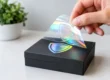
Holographic labels provide an immediate visual authentication cue. Their changing light effect is difficult to reproduce convincingly with ordinary print, while a custom design gives customers, distributors and internal teams something familiar to check. Add a tamper-evident material and the label can also show whether packaging has been interfered with.
For a short production run, this matters because every unit may carry more value. A limited batch of supplements, spirits, electronics or promotional goods should not look less protected simply because the order volume is lower. Low minimum quantities allow you to build security into the product from the outset, rather than waiting until a problem has already affected sales.
Define the job before choosing the hologram
The most useful starting point is not a shape or a shiny finish. It is the risk you need the label to address. Authentication, tamper evidence and packaging presentation often overlap, but they are not identical requirements.
If your main concern is proving that an item is genuine, a bespoke hologram with your logo, brand name or recognisable pattern may be enough for an initial run. If the concern is opened packaging, choose a material that leaves evidence behind when someone tries to remove it. If distributors or inspectors need an extra layer of confidence, covert features can be incorporated into the design.
Authentication that customers can recognise
Overt features are the details a customer can see without equipment. A holographic pattern, branded wording, a distinctive motif or a colour effect can all help a genuine label stand apart from standard printed seals. These features work best when the check is simple. Your customer should not need specialist training to notice that a hologram belongs on the product.
For many low-quantity projects, a carefully designed branded hologram is a sensible balance of appearance, deterrence and budget. It also enhances the packaging, which is valuable for premium goods where presentation influences purchase decisions.
Tamper evidence that does not leave room for doubt
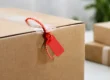
A hologram applied to a carton, bottle closure or equipment case can do more than verify origin. With the right face stock and adhesive, it can reveal removal or opening attempts. Void, destructible and honeycomb materials each create a different result when disturbed.
A void label may leave a visible message or pattern behind. A destructible material breaks into fragments, making clean removal impractical. Honeycomb materials leave a distinctive residue. The best choice depends on the surface, the expected handling conditions and what evidence you want to remain after interference.
This is where samples and practical advice matter. A label that performs well on smooth coated card may behave differently on rough plastic, curved glass or a textured metal surface. Be clear about where the hologram will be applied, whether the product will face heat, moisture or oils, and whether the label needs to survive transport or cold storage.
What can be customised at low quantities?
A low order quantity should still leave room for an identity that is yours. Bespoke holograms can incorporate logos, wording, colours, repeated patterns and tailored shapes. A small circular seal may suit a cosmetic jar, while a narrow strip can bridge a carton flap or closure as a clear tamper seal.
Security features can be layered according to the risk. UV elements, hidden text or images, thermo-reactive effects, coin-reactive details and scratch-off areas can provide additional checks beyond the visible holographic finish. These are useful when the person verifying a product is a retailer, service technician, distributor or member of your own team rather than the end customer.
There is a trade-off. More security devices can strengthen a label, but they can also add cost and may be unnecessary for a short-lived campaign or low-risk product. A good supplier will explain which options provide a meaningful benefit for your application and which are likely to be over-specification. Straight answers make procurement easier.
How to source low quantity holograms with confidence
Begin with a short brief covering your product, label dimensions, application surface, intended order quantity and deadline. Include any artwork you have, even if it is only a logo file and a rough idea. A specialist design team can turn that into a practical hologram concept and advise on the material before production begins.
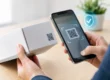
It also helps to explain how the label will be used. Will it seal retail packaging? Sit on a product body as proof of authenticity? Be checked under UV light? Need to match existing brand colours? These details affect the recommended construction far more than a generic request for a hologram sticker.
Ask direct questions about minimum order quantities, artwork support, proofing, production times and delivery. A low minimum is only genuinely helpful if the design and manufacturing process remains clear. You should know what is included, what is optional and whether a material choice changes the price. No catches, just a specification that fits the job.
Where possible, review a proof carefully before approving it. Check logo legibility at the actual label size, spacing around the edge, placement on the pack and whether any overt verification detail is easy to spot. For a tamper seal, consider the opening action as well. The label must be positioned so that opening the pack breaks or disturbs it in an obvious way.
Bespoke versus stock hologram labels
Stock hologram labels are often the quickest route when you need an off-the-shelf visual deterrent or a simple seal. They can be a good choice for internal control, event merchandise, basic packaging upgrades or situations where individual brand identification is not essential.
Bespoke holograms are more appropriate when you want the label to carry your identity and act as a recognised proof of authenticity. A custom pattern and logo are harder to substitute than a general holographic sticker, and a tailored tamper-evident design can fit your packaging rather than being adapted around it.
The decision depends on the cost of a fake or compromised pack reaching the market. If the consequences include warranty claims, safety concerns, retailer disputes or reputational harm, bespoke protection is usually easier to justify. For a short promotional run with limited risk, a stock option may be entirely proportionate.
Plan beyond the first batch
Ordering a small quantity is often the right way to validate a product, packaging format or supplier relationship. Keep a record of the approved artwork, material, dimensions and application position so the next run remains consistent. That consistency makes the hologram more useful as an authentication tool over time.
If your needs later include serial numbers, barcodes, variable data, asset labels or custom text, these requirements should be raised early because they may call for a related specialist service. Security works best when the visible label, the packaging process and the way your team checks products all support one another.
HologramLabel.co.uk helps UK businesses turn an initial idea into a practical label specification, from straightforward branded seals to layered security features. Bring the product, the packaging and the concern you want to solve. The rest is the kind of technical detail that should be made straightforward.
A small order can still make a strong statement: your product is worth protecting, your customers are worth reassuring, and your brand is being built with care from the first batch.