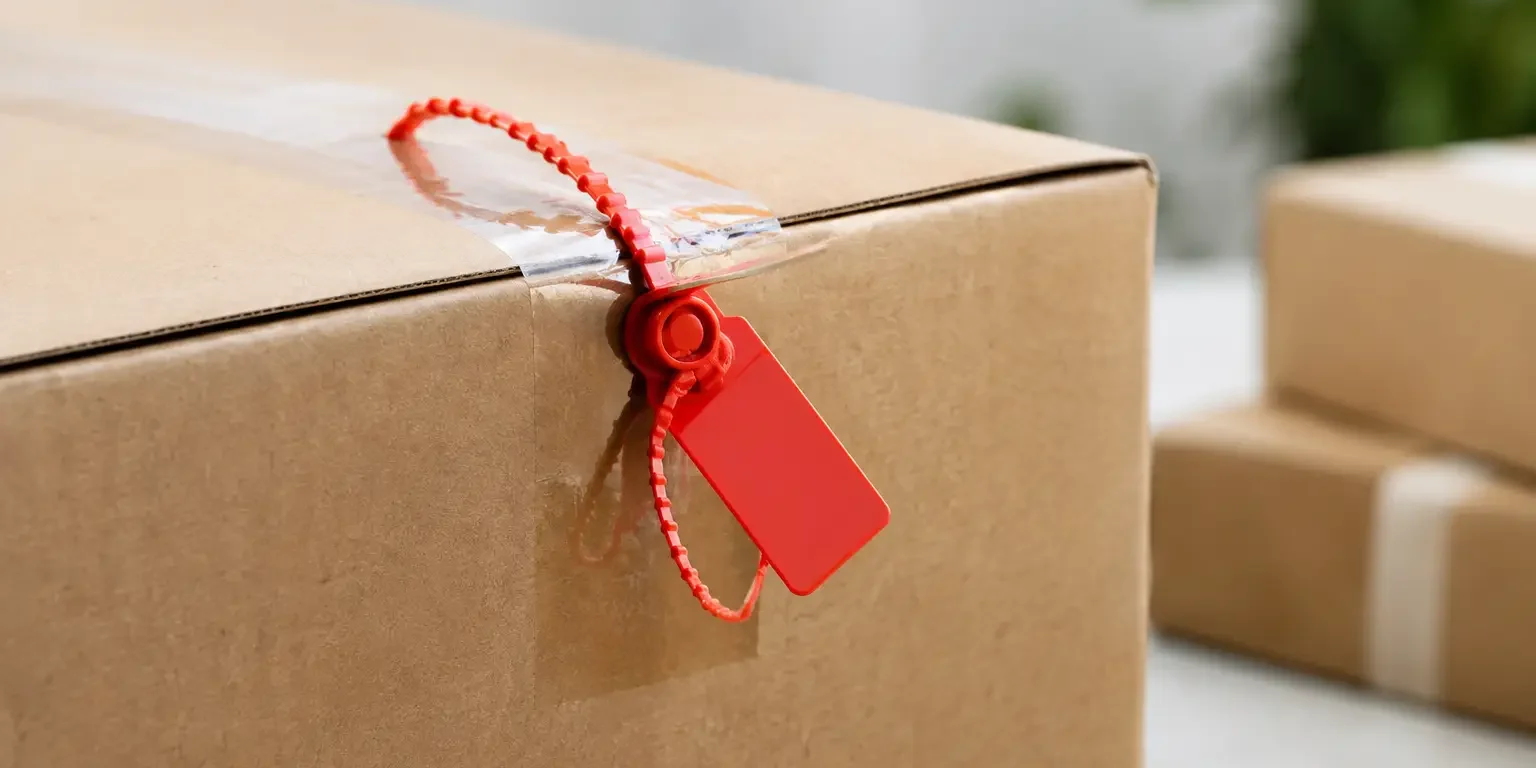
A broken seal on a carton, bottle or electronics box can answer a costly question before the product reaches a customer: has somebody interfered with it? Security seals give brands a visible way to protect product integrity, make counterfeiting harder and reassure everyone handling the item that it is genuine and unopened.
For UK manufacturers, distributors and product owners, that protection is not simply a packaging detail. A compromised pack can mean rejected stock, a customer complaint, a safety concern or damage to a reputation built over years. The right seal makes interference evident and gives your product a recognisable sign of authenticity at the point where it matters most.
What security seals are designed to do
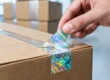
Security seals are labels or closures designed to reveal tampering, support authentication or both. They can be applied across a carton opening, bottle cap, bag, component case or shipping container. If the seal is lifted, broken or removed, it leaves evidence behind or destroys itself, making it far harder to present the item as untouched.
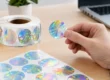
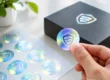
A basic tamper-evident label is often enough where the main concern is unauthorised opening. A holographic security seal adds a further layer: its shifting visual effect is difficult to reproduce convincingly with ordinary print. Add bespoke artwork, a logo or a unique pattern and the seal becomes part of the product’s recognised identity rather than a generic sticker anyone can buy.
The best specification depends on what you need the seal to prove. Is the priority to show that the pack has not been opened? To help a retailer or customer spot a fake? To deter diversion from an authorised sales channel? Or to give your team a discreet way to check genuine stock? One label can address several of these issues, but every extra feature should serve a clear purpose.
The risks a security seal can address
Counterfeiters look for products with established demand, trusted branding and enough value to justify imitation. Cosmetics, alcohol, electronics, automotive parts, pharmaceuticals and collectibles all face different levels of exposure. Yet the commercial effect is similar: customers may blame the genuine brand when a counterfeit is poor, unsafe or simply not as expected.
Security seals cannot remove every risk on their own. A determined criminal may copy packaging, reuse legitimate containers or attempt to imitate visible effects. What a well-designed seal does is raise the effort required, create a clear point of inspection and help make unauthorised activity easier to identify.
Tampering is a separate but related concern. Where product safety or hygiene matters, customers need an immediate visual cue that a pack has remained closed. A destructible label, for example, breaks into small pieces when removal is attempted. A void material leaves a visible message or pattern on the surface and sometimes on the label itself. Neither can be reapplied cleanly, which is exactly the point.
Diversion can also be a concern for brands using approved distributors, limited releases or region-specific packaging. A distinctive seal allows stock to be recognised quickly. For more detailed tracking requirements, such as serial numbers, barcodes or variable data, a specialist variable-data label solution may be the more suitable route alongside your holographic seal.
Choosing the right tamper-evident material
Material choice is where a security seal becomes practical rather than theoretical. The label has to suit the surface, the product journey and the type of evidence you need after an attempted removal.
Void labels are a strong choice when you want a clear, readable indication of interference. Once lifted, they reveal a message such as VOID or a patterned residue. They work particularly well on cartons, cases and smooth product surfaces, although the exact result can vary with the substrate and adhesive bond.
Destructible materials are intended to fragment when somebody tries to peel them away. This makes them useful for warranty labels, electronics housings and product closures where clean removal must not be possible. They are less suitable where the seal needs to flex repeatedly or where the application surface is rough, textured or heavily curved.
Honeycomb and other tamper-evident constructions offer a distinctive break pattern. They can make an attempted removal obvious at a glance while maintaining a smart, branded appearance before any interference occurs. For bottles and jars, the seal layout also matters: it needs to bridge the cap and container in a position that genuinely prevents opening without breaking the label.
Adhesive is just as important as face material. A seal that looks excellent but lifts too easily in cold storage, humidity or on a low-energy plastic is not doing its job. Share real information about the intended surface, operating temperatures and handling conditions at the start. It helps avoid a specification that performs well in a sample review but disappoints in use.
Visible and hidden security features
Overt features are designed to be noticed. Holographic movement, bespoke diffraction patterns, colour effects and branded artwork help customers and staff make a quick visual check. A hologram should look intentional and distinctive, not like a standard stock label applied as an afterthought.
Covert features are for trained staff, distributors or investigators. UV-reactive details can appear under ultraviolet light. Hidden text and images can be integrated into the artwork, while thermo-reactive or coin-reactive elements provide another simple verification method. These details are especially valuable when a product is routinely inspected by people who know what they are looking for.
There is a trade-off. Too many visible elements can make a small label cluttered and may confuse the customer. Too many hidden features can add cost without improving day-to-day checks. A sensible approach is to combine one or two easy-to-recognise public features with a discreet feature for internal verification.
Scratch-off areas can also be useful where a code or message should stay concealed until purchase, activation or inspection. Their value depends on process: decide who reveals the panel, when they do it and what happens if a code has already been exposed. Security is strongest when the physical label and the operating procedure support one another.
Design security seals into the pack early
A seal is more effective when it is considered during packaging design, not added just before launch. Think about the opening route. If a carton can be opened from a different flap, a seal across one flap alone may offer only the appearance of protection. If the label is placed where shoppers never look, its visible authentication value is reduced.
Size matters too. Small products may need a compact seal with a simple visual effect, while larger cartons, machinery parts or automotive components can accommodate more detailed artwork and multiple security cues. The aim is not to fill every available millimetre. It is to place a feature where it is hard to bypass and easy to inspect.
Your brand identity should remain central. A bespoke holographic seal can carry your logo, colours and design language while still performing a serious protective role. That combination helps customers recognise the genuine article and makes the seal feel like a considered part of premium packaging.
Before committing to a full run, review samples on the actual pack. Check adhesion, placement, readability, opening behaviour and the appearance of any void or destructible effect after removal. Include the people who will apply, pack, receive and inspect the product. Their practical feedback often catches issues that are not obvious from artwork alone.
Buying security seals with confidence
A clear brief keeps the process straightforward. Start with the product type, packaging material, application method, likely risks and approximate quantities. Then identify whether the priority is tamper evidence, counterfeit deterrence, product authentication or a combination of all three.
Low minimum order quantities can make bespoke security accessible for growing brands and limited product lines, while larger runs may justify additional layers of protection. Honest pricing matters here. The cheapest generic sticker may cost more later if it fails to adhere, is easy to copy or weakens the presentation of a high-value product.
At HologramLabel.co.uk, the approach is to turn those requirements into a practical bespoke label without making buyers learn production terminology first. Bring the product, the challenge and any creative ideas. The technical decisions can then be shaped around the level of protection your pack genuinely needs.
A security seal works best when it gives the right person a simple answer at the right moment: this product is genuine, this pack is intact, and this brand takes both seriously.