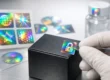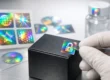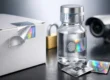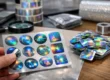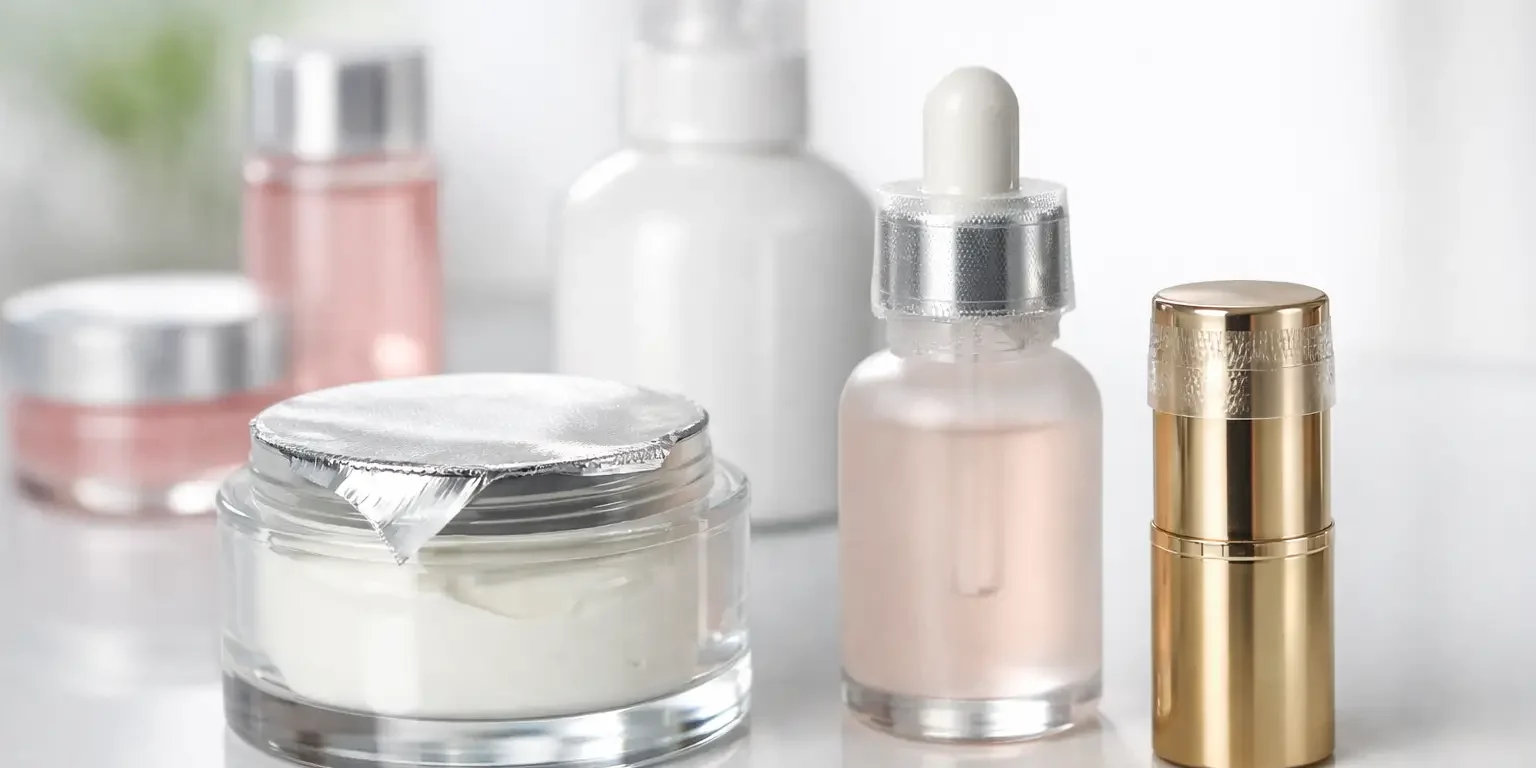
A customer notices a lifted carton flap, a broken closure label or a jar that appears to have been opened before it reaches the bathroom shelf. Even when the formula is genuine, that moment of doubt can be enough to trigger a return, a complaint or a damaging review. Secure cosmetic packaging seals give beauty brands a clear, visible way to show that a product has arrived as intended – unopened, authentic and ready to use.
For cosmetics businesses, packaging security is not just a technical purchasing decision. It protects customer confidence, supports retailer relationships and helps preserve the premium experience your product has worked hard to create. The right seal should look considered on the pack while making interference difficult to hide.
Why cosmetic packaging needs a stronger line of defence
Cosmetics are particularly exposed to packaging interference. They are high-value, portable and widely sold through online marketplaces, retail partners and international distribution networks. A counterfeit mascara, substituted serum or refilled fragrance can damage more than a single sale. It can create safety concerns, undermine confidence in your ingredients and leave customers questioning whether they can trust the brand again.
Tamper-evident seals address the immediate problem: they provide a visible indication when packaging has been opened, removed or disturbed. Holographic security adds a second layer by making the label itself harder to copy convincingly. A distinctive holographic pattern, integrated logo or colour-shifting effect gives customers and retail staff a straightforward point of recognition.
The best approach depends on the product and its route to market. A direct-to-consumer skincare brand may need a seal that reassures customers opening a postal delivery. A prestige cosmetics line selling through multiple retailers may need a more recognisable branded hologram to help distinguish genuine stock from unauthorised goods. A product with a greater counterfeiting risk may justify covert features that can be checked by trained staff without showing counterfeiters what to imitate.
What secure cosmetic packaging seals should do
A good security seal has a practical job to perform. It should sit firmly on the pack, look appropriate for the brand and make opening or substitution obvious. Security is strongest when the feature is chosen for the real risk, not simply because it sounds sophisticated.
For cartons, a label can bridge the opening flap so that the carton cannot be opened without breaking, tearing or lifting the seal. For jars and tubs, a seal can run from the lid onto the container. Bottles and dispensers may need a carefully shaped label that follows a curved surface without peeling at the edges. Material choice, adhesive and label size all matter here, especially where products may be exposed to oils, moisture, refrigeration or repeated handling.
A holographic finish can reinforce brand recognition from the first glance. Bespoke designs can include a logo, repeated pattern, defined colours or custom imagery, helping the seal feel like part of the packaging rather than an afterthought. This matters in cosmetics, where presentation has a direct effect on perceived product quality.
Tamper evidence must be unmistakable
A security seal should not leave room for debate once it has been disturbed. Destructible materials break into fragments when someone attempts to remove them. Void labels leave a visible message or pattern on the packaging surface and on the lifted label. Honeycomb-style materials show clear disruption when peeled away.
Each option has a trade-off. Destructible labels provide strong evidence of removal but are not intended to be repositioned. Void materials can be highly effective on suitable smooth surfaces, although they should be tested against the carton coating, bottle finish or jar material before full production. A seal that performs perfectly on a sample board may behave differently on a textured, varnished or recycled pack.
That is why testing should be part of the specification, not an afterthought. Consider the full journey: packing, storage, courier handling, retail display and the customer opening the product. The aim is a seal that stays put in normal use but shows clear evidence when someone tries to defeat it.
Authentication should suit the people checking it
Not every security feature needs specialist equipment. Overt holographic effects allow anyone to make a quick visual check, including customers, warehouse teams and shop staff. They are useful because they build a recognisable expectation around authentic packaging.
Covert features offer another level of control. Hidden text or images, UV-reactive details, thermo-reactive elements and coin-reactive features can be incorporated into a bespoke design for checks that are not obvious at first sight. These are especially valuable where counterfeiters are likely to copy the visible appearance of a label.
The practical question is who will verify the feature and where. If consumers need reassurance, the visible element must be easy to understand. If your quality team, distributor or retail partners are conducting checks, a discreet feature may be more appropriate. Layering visible and covert security is often sensible for higher-risk products, but only if there is a clear process for using it. A feature that nobody knows how to check will not deliver its full value.
Designing secure cosmetic packaging seals around your pack
Security labels work best when considered early in packaging development. Leaving the seal until the final artwork stage can create awkward compromises, such as placing it over essential product information or forcing a square label onto a curved bottle. A bespoke shape, a narrow bridge seal or a carefully positioned closure label can protect the pack without interrupting the design.
Start with the packaging format and the point most likely to be opened. On a folding carton, this is usually the top or side flap. On a glass jar, it may be the join between lid and container. On a compact or gift set, the seal may need to secure an outer sleeve or presentation box. Think about how the customer naturally opens the product too. The seal should be clear and reassuring, not so frustrating that it creates a poor first-use experience.
Brand consistency is equally important. Cosmetic packaging often relies on precise finishes, restrained colour palettes and tactile detail. A standard stock hologram may be a fast, cost-effective choice for basic tamper evidence, particularly for short campaigns or lower-risk lines. Bespoke holographic labels offer more control, allowing the seal to carry your logo, visual identity and chosen security features.
There is no single correct answer. A growing brand may begin with a simple stock option to protect a new launch, then move to a custom design as distribution expands. An established brand with a known counterfeiting problem may need a more layered specification from the outset. The key is to match the spend and complexity to the commercial exposure.
Questions to settle before ordering
Before requesting samples or artwork, clarify the product surfaces, seal position and expected environment. Decide whether the main requirement is tamper evidence, brand authentication or both. It is also useful to establish whether labels will be applied by hand or by machine, as this can affect format, spacing and adhesive choice.
Think beyond the factory gate. Will products be stored in a warm warehouse, handled in a busy fulfilment centre or displayed under bright retail lighting? Are they packed in cartons, wrapped in cellophane or sold as part of a gift set? These details influence how a seal looks and performs.
For brands needing individual tracking, changing text, serial numbers, barcodes or asset labels, variable-data labelling may be the better route alongside the holographic seal. Keeping tamper evidence and traceability requirements distinct makes it easier to specify each element properly.
A security feature customers can see
Security should not make cosmetics feel clinical or over-engineered. Done well, it becomes part of the product experience: a small but convincing signal that the brand has protected what is inside. It tells a customer that the carton has not been quietly opened, the jar has not been refilled and the product in their hands has been treated with care.
HologramLabel.co.uk helps businesses translate that requirement into practical label choices, from accessible stock holograms to bespoke tamper-evident designs with layered security features. Low minimum quantities and straightforward guidance make it easier to start with the right level of protection rather than overcomplicating the brief.
Your packaging already carries the promise of your brand. A well-designed seal helps ensure that promise reaches the customer intact.