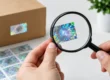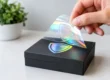
A counterfeit product rarely announces itself with poor packaging. It may look convincing on the shelf, arrive through a familiar distributor and carry branding close enough to cause real harm before anyone spots the difference. That is why the decision between custom labels versus stock holograms is not simply a packaging choice. It is a decision about how clearly you can prove authenticity, protect unopened goods and reinforce the value of your brand.
Both options have a place. Stock holograms offer a quick, economical route to visible deterrence. Bespoke hologram labels give you a security device designed around your product, packaging and risk level. The right answer depends on what you need the label to do after it has been applied.
Custom labels versus stock holograms: the practical difference
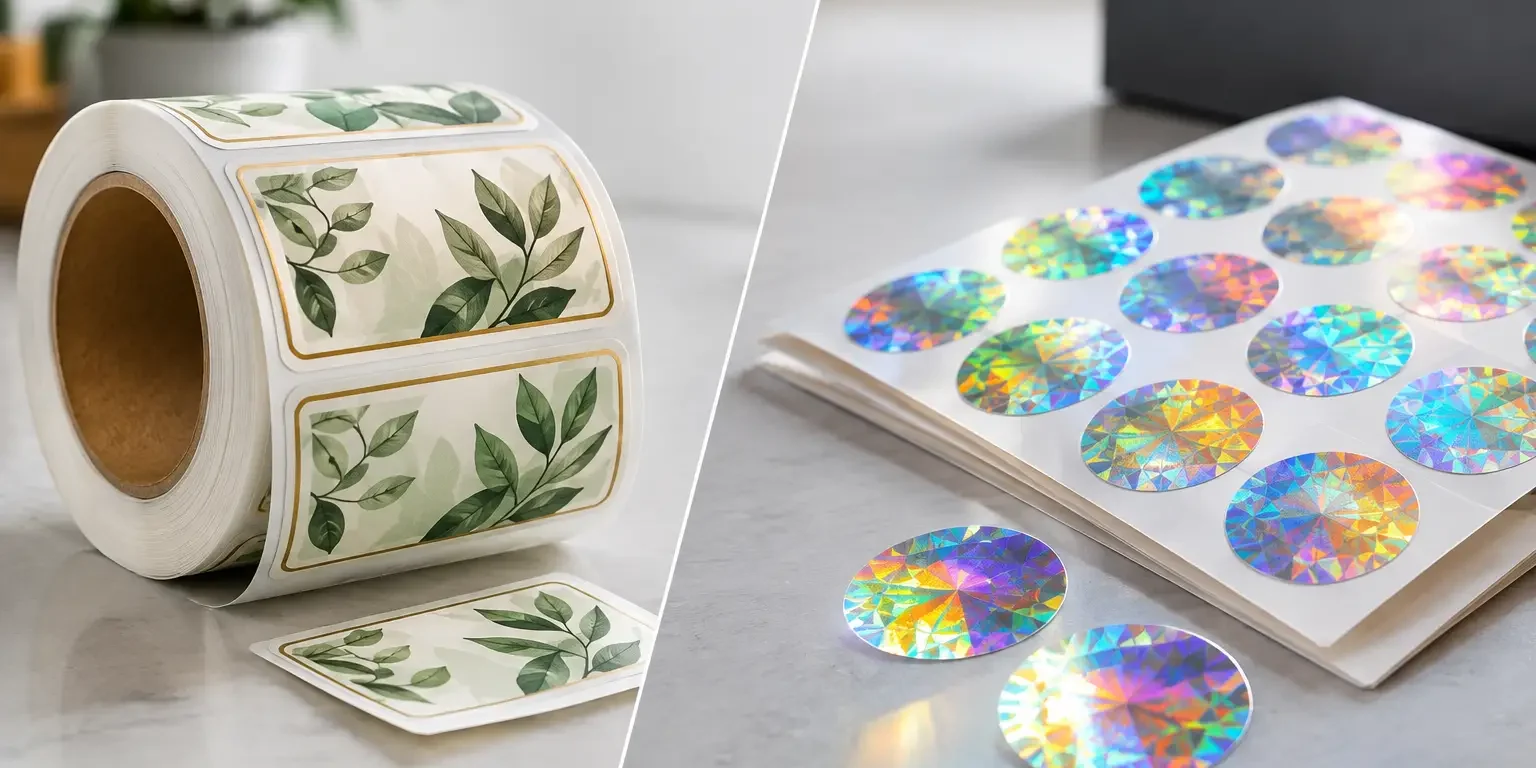
A stock hologram is a ready-made label featuring a standard holographic design, often with a generic pattern or message such as “Genuine”, “Original” or “Security Seal”. It is available without the lead time of creating a dedicated design and can be a sensible choice when you need a professional-looking seal promptly.
A custom hologram label is produced specifically for your business. It can include your logo, product name, distinctive artwork, colours or a pattern created solely for your use. It may also combine visible holographic effects with hidden or specialist verification features. This makes it much harder for an unauthorised supplier to copy your packaging convincingly.
The distinction matters because a hologram is most effective when it gives people a clear reason to trust the item in front of them. A generic seal tells customers that security has been considered. A bespoke seal can help them recognise your genuine product at a glance.
When stock holograms are the sensible option
Stock holograms are not a lesser choice by default. For many businesses, they provide a practical level of protection without committing to a bespoke design process.
They work particularly well for low-risk products, short campaigns, promotional packs and internal sealing requirements. If you sell through a controlled channel and your immediate concern is showing whether a carton, bag or enclosure has been opened, a ready-to-buy tamper-evident hologram can do the job efficiently.
Speed is another advantage. A business preparing for a product launch, exhibition or urgent dispatch may not have time to develop a custom design. Stock labels allow you to put a recognisable security feature in place quickly, while keeping costs predictable for smaller requirements.
They can also be useful as an initial step for growing brands. If counterfeiting is not yet a proven problem, but you want to improve presentation and discourage simple packaging interference, stock holograms offer a straightforward starting point.
There is, however, a limit to what a generic design can achieve. If the same visual design is widely available, a counterfeiter can buy similar labels or imitate the idea more easily. The label remains a deterrent, but it is not a unique identifier for your goods.
Where bespoke hologram labels earn their keep
Custom labels become more compelling when imitation, diversion or package interference would have a serious commercial consequence. This applies to products where trust affects safety, warranty, resale value or retailer confidence – from electronics and automotive components to cosmetics, alcohol, pharmaceuticals and collectibles.
A bespoke hologram gives your product its own visual security language. Your logo or brand mark can be integrated into the holographic image rather than simply printed beside it. Specific artwork, repeating patterns and precise design details make the label recognisably yours and give distributors, retailers and customers a reliable point of comparison.
For businesses facing a genuine counterfeit risk, that distinction can reduce uncertainty across the supply chain. A buyer does not need specialist training to notice an absent logo, an incorrect pattern or a seal that does not behave as expected when opened. Visible features create an immediate first check, while concealed features can provide a stronger second line of authentication.
Custom production also lets you choose the label material around the way your packaging is used. A destructible label breaks into fragments if someone tries to remove it. A void material leaves a visible message or pattern behind when lifted. Honeycomb materials show clear evidence of tampering. These are not decorative extras. They can prevent a seal being removed from one pack and transferred to another.
Security should match the risk, not the trend
More security features do not automatically mean a better label. The aim is to make counterfeiting uneconomic and package tampering obvious, without creating unnecessary cost or confusion for the people who need to check the product.
For a retail product exposed to opportunistic substitution, a prominent custom hologram with a void feature may be enough. For higher-value goods moving through several distributors, it may make sense to add hidden text, UV-responsive elements or images visible only under particular conditions. Thermo-reactive or coin-reactive effects can create further checks that are difficult to reproduce using ordinary print methods.
The best specification reflects three questions: what could go wrong, who needs to verify authenticity, and how often will they need to do it? A consumer needs a simple visible cue. A warehouse team may need clear tamper evidence. A brand-protection or compliance team may need covert details to investigate suspect stock.
This is where a custom approach offers more control. You can combine overt features that reassure legitimate buyers with covert features that remain unknown to counterfeiters. The design need not look complicated. In fact, the strongest labels often look clean and purposeful while containing more than one layer of protection.
Consider the full cost of a generic label
Unit price matters, especially for procurement teams managing high-volume packaging. Stock holograms will usually be the lower-cost option at the point of purchase because there is no bespoke origination or custom artwork to produce.
But the initial label price is only part of the calculation. If a generic seal cannot distinguish your goods from an imitation, the apparent saving may be small compared with the cost of returns, disputed warranty claims, lost retailer confidence or damage to a hard-won reputation.
Custom labels can be particularly cost-effective where a single label performs several roles. It can enhance presentation, signal authenticity, provide tamper evidence and support an internal inspection process at the same time. Rather than adding separate seals, stickers and visual brand elements, you can design one label with a clear purpose.
Low minimum order quantities also change the equation. Bespoke protection is not reserved for global brands with huge print runs. Smaller manufacturers and product owners can begin with a focused design that suits their current volume, then develop it as their product range and risk profile grow.
Do not overlook application and packaging conditions
A security label is only effective if it stays where it should, performs as intended and is easy to inspect. Before choosing either stock or custom holograms, consider the surface it will be applied to. Smooth cartons, curved bottles, textured plastics, metal components and flexible pouches all behave differently.
Environmental conditions matter too. Heat, moisture, oils, refrigeration and frequent handling can affect adhesion and appearance. A label placed across a carton opening has a different job from one applied to a durable product casing. If removal needs to leave evidence behind, that requirement should shape the material choice from the outset.
It is also worth thinking about where the seal sits within the unboxing experience. A poorly positioned tamper label can frustrate legitimate customers or be missed during a quick retail check. A well-designed label guides the eye, complements the packaging and makes interference difficult to hide.
Choosing the right route for your business
Choose stock holograms when you need an affordable, readily available seal for basic deterrence, fast deployment or short-term packaging needs. They are a sensible commercial choice when uniqueness is not essential and visible tamper evidence is the main priority.
Choose custom hologram labels when your brand needs to be identifiable, your products have a higher fraud risk, or you want to combine brand presentation with layered security. They are also the better route when the label must work with particular packaging materials or leave unmistakable evidence of removal.
There is no catch in the choice: the label should be specified for the problem you are solving, not oversold as a one-size-fits-all answer. A clear discussion of your product, packaging and supply chain usually reveals whether a standard seal is enough or whether a bespoke design will offer meaningful extra protection.
If you are unsure where to start, bring the ambition as well as the practical details. A Scotland-based specialist such as HologramLabel.co.uk can turn a logo, a packaging challenge or a security concern into a label specification that is clear, credible and fit for the job. The useful next step is simply to examine one of your packs closely and ask what a customer would need to see to trust it.