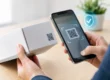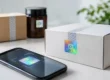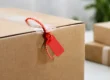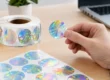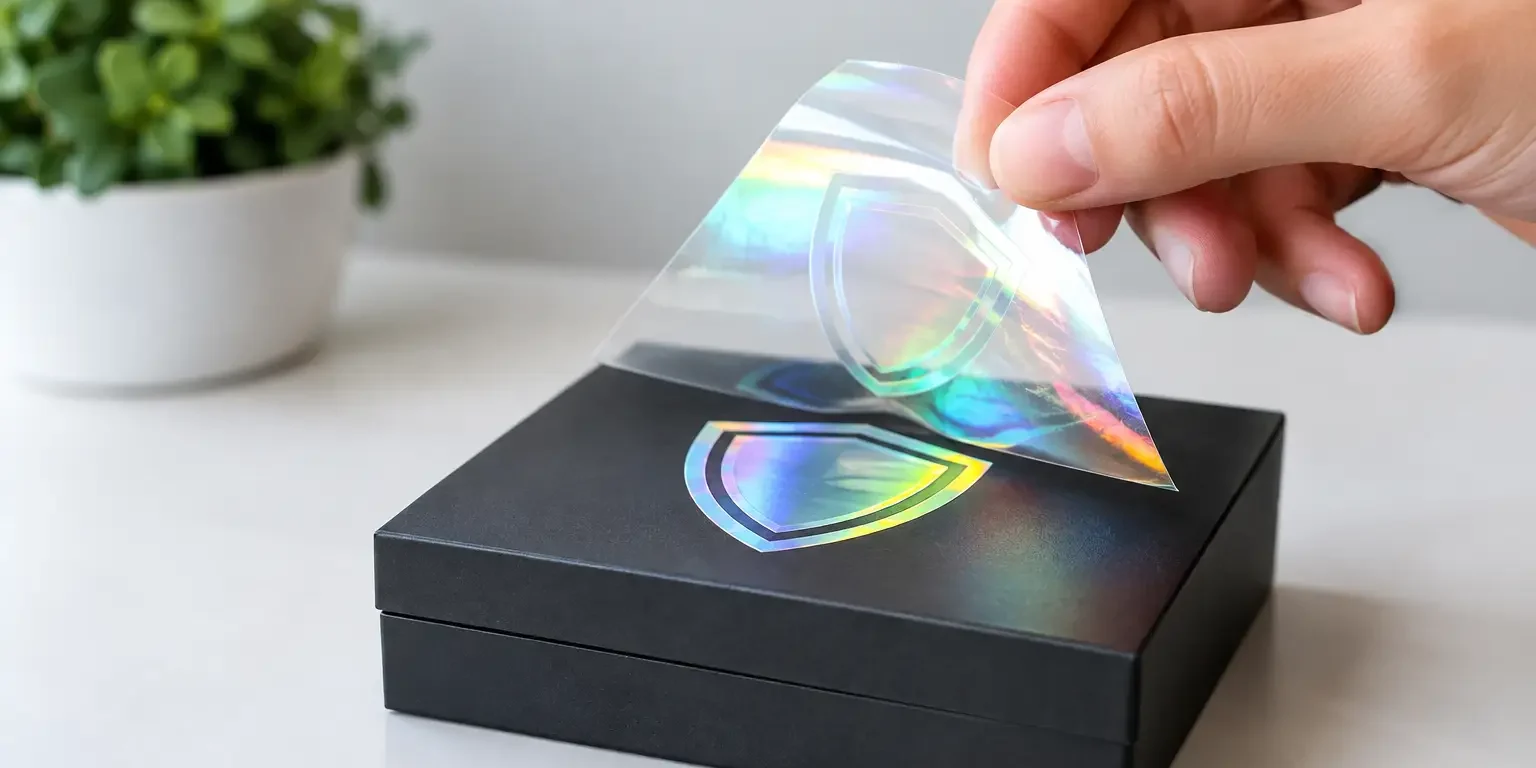
A counterfeit can copy a logo, a carton and much of the look of a product. It is far harder to copy a security device that shifts in the light, carries hidden detail and shows clear evidence when somebody has opened the pack. To create branded holograms effectively, businesses need to think beyond an attractive finish. The label must make genuine products easier to recognise, make interference obvious and fit the reality of the supply chain.
For a growing product brand, that can sound like a technical brief with too many moving parts. It does not need to be. The right hologram design starts with a few practical decisions: what you need to protect, who needs to verify it and what should happen if the seal is disturbed.
Start with the risk, not the artwork
Holographic labels can support premium presentation, but their strongest commercial role is product authentication and package protection. Before choosing a pattern or material, identify the risk you are trying to reduce.
A cosmetics business may need to show customers that a jar has not been opened before purchase. An electronics supplier may be concerned about replacement parts being sold as genuine. A drinks producer may want to deter refilling and protect a recognised bottle design. Pharmaceutical and industrial products may require visible reassurance at the point of use, alongside checks made by distributors or inspectors.
Those scenarios call for different solutions. A highly visible hologram may be the right first line of defence for retail goods. A label with a covert feature may be more useful where trained staff need to check authenticity without revealing every security detail publicly. In many cases, the best result combines both.
It also helps to be clear about where the label will sit. A seal over a carton flap, lid or closure has a different job from a label applied to a flat product surface. If the goal is to reveal opening, the adhesive and face material matter as much as the holographic image.
Choose the right level of security
Not every product needs the same level of protection. Spending should reflect the value of the product, its counterfeit risk, likely sales volume and the consequences of tampering. A straightforward branded hologram is often an accessible and effective starting point. For higher-risk goods, adding layers makes copying substantially more difficult.
Visible features build instant recognition
Overt features are designed to be seen. They help customers, retailers and staff recognise a genuine product without specialist tools. A bespoke design can include your logo, brand name, a repeating pattern, distinctive colours and a holographic image that changes as the label is tilted.
These details should be easy to describe internally. If a customer service team cannot explain what a genuine label looks like, the feature may be too complicated to deliver its full value. Clear visual cues are particularly useful where products are sold through multiple retailers, marketplaces or distributors.
A hologram should still look like part of the brand. The most effective designs balance security with packaging. There is little value in a generic-looking sticker that could belong to any supplier, while a carefully integrated motif can reinforce both brand recognition and perceived quality.
Covert features add a second check
Covert features are less obvious and give authorised people another way to inspect a product. Hidden text or images, UV-reactive elements, thermo-reactive effects and coin-reactive features can all provide a verification point beyond what a casual counterfeiter sees.
The trade-off is operational. A covert device only works when the people expected to check it know it exists and have the means to inspect it. UV features, for example, need an appropriate light source. That can be a sensible choice for warehouse, field-service or compliance teams, but not necessarily for every consumer-facing check.
Keep the verification process proportionate. If it is too slow or needs equipment that is rarely available, it may be ignored. A visible feature for quick screening plus a concealed feature for escalation is often a practical combination.
Tamper evidence protects the pack itself
A genuine hologram is valuable, but a security seal must also respond when somebody tries to remove it. This is where tamper-evident materials become central to the specification.
Destructible material breaks into small pieces when removal is attempted, making reuse difficult. Void material leaves a visible message or pattern on the surface or label when lifted. Honeycomb materials provide another clear sign that interference has occurred. The right choice depends on the substrate, the packaging shape and whether a residue or reveal pattern is acceptable.
Ask for a material that suits the application rather than choosing on appearance alone. Glass, coated board, plastic, painted metal and textured packaging can behave differently. Testing labels on the real pack, under real storage and transport conditions, is the sensible route. Temperature, moisture, oils and curved surfaces can all affect performance.
Build a brief that prevents costly revisions
A good bespoke hologram project does not require you to know production terminology. It does require useful information. Share the product type, label position, pack material, required dimensions, approximate order quantity and the risk you want the label to address.
Artwork is equally important. Supply the best available version of your logo and any brand guidelines covering colours, clear space or typography. If the hologram will sit beside existing graphics, a pack visual or photograph helps establish how it should look in context. This reduces the chance of approving a label that looks right on screen but feels out of place on the finished product.
Be specific about the user journey too. Will a customer see the label first? Will a retailer inspect it on delivery? Does an engineer need to confirm authenticity after installation? A label that works for one audience can fail another if the check is not clear enough.
Where labels need serial numbers, barcodes, asset details or other variable information, discuss that requirement at the start. HologramLabel.co.uk can guide bespoke hologram design and security features, while variable-data, barcode and asset-label requirements can be directed to its Security-Label.co.uk partner. Raising it early avoids splitting a critical label requirement into separate decisions later.
Avoid the common design mistakes
The first mistake is treating holograms as decoration. A shiny label may look impressive, but without tailored artwork, suitable material and a defined verification method, it offers limited protection.
The second is putting every possible feature into one small label. Security should be layered, not cluttered. Tiny hidden messages, intricate artwork and several effects can become difficult to manufacture clearly or inspect consistently. A focused design with two or three well-chosen security cues is often stronger than a crowded one.
The third is overlooking application. Consider whether labels will be applied by hand or machine, before or after filling, and in what environment. A label that is easy to place accurately at low volume may require different sizing or presentation for a faster production line.
Finally, do not leave authentication guidance until after delivery. Provide simple instructions to relevant teams: what to look for, what a disturbed label looks like and what to do if something does not match. Counterfeit protection is most effective when it is part of a working process, not simply a feature printed on the pack.
Make your hologram part of a wider defence
Holographic seals work best as one practical layer within wider brand protection. Use controlled packaging supply, trusted distribution partners and clear product records where appropriate. Train staff to spot suspicious packaging and keep an agreed route for reporting concerns.
For many brands, the visible hologram also has a useful deterrent effect. It tells opportunists that the product is protected and gives legitimate buyers a clear point of comparison. It cannot eliminate counterfeiting on its own, and honest suppliers should not claim otherwise. What it can do is raise the cost and difficulty of imitation while making genuine stock easier to identify.
The strongest projects begin with a conversation about the product, the threat and the people who need confidence in what they are handling. Bring the ambitious idea, the awkward packaging challenge or the simple requirement for a better seal. A well-designed branded hologram can turn that challenge into a visible, practical signal that your product is the real thing.