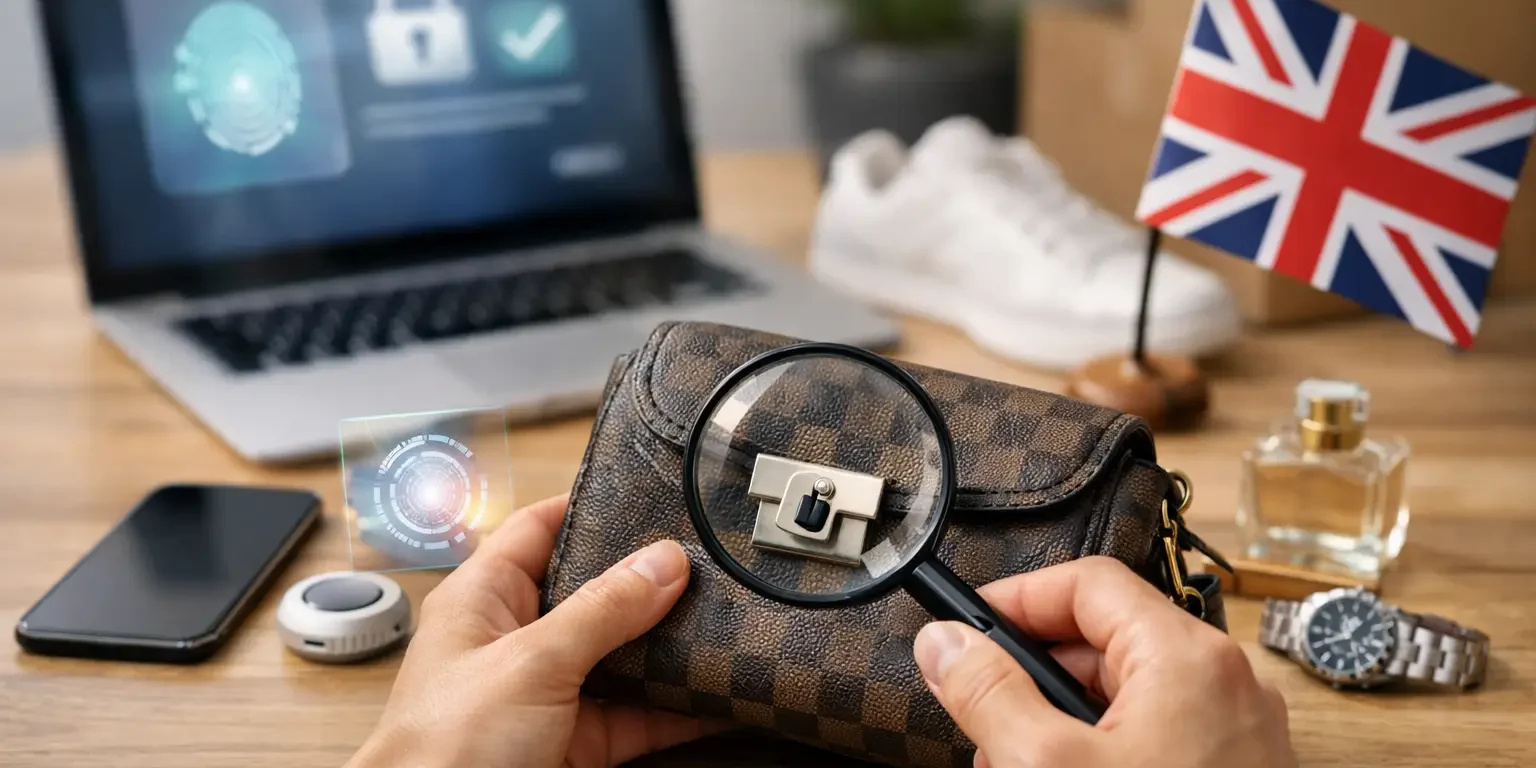
A counterfeit does not need to look perfect to cause real damage. It only needs to reach a customer, distributor or retailer carrying your name. This product authentication guide is for UK brands that need a practical way to show what is genuine, reveal when packaging has been interfered with and make copying considerably less worthwhile.
For some businesses, the risk is obvious: pharmaceuticals, cosmetics, alcohol, electronics, automotive components and collectibles are frequent targets. For others, it appears more quietly through unauthorised product substitution, diverted stock, warranty claims on goods never supplied, or packaging that arrives already opened. The right authentication label gives your product a visible identity and creates a useful barrier at the point where trust matters most.
What product authentication needs to achieve
Product authentication is the process of confirming that an item is genuine and has entered the market through an authorised route. A hologram label can support this by giving staff, distributors and customers recognisable security signals that are difficult to reproduce using ordinary printing.
The goal is not simply to add something shiny to a carton. A good solution should make genuine products easy to identify, make counterfeits harder and more expensive to produce, and show clear evidence if a seal has been lifted or a pack opened. It should also fit the way your product is handled, stored and sold.
That last point matters. A label for a small cosmetics jar has different demands from one used on industrial equipment, a bottle closure or a high-value electronics box. Material, adhesive, size, placement and the level of security should be chosen around the product rather than selected in isolation.
Start with the threat, not the label
Before choosing features, define the problem you are trying to solve. Are customers receiving imitation goods? Is stock being diverted into unauthorised channels? Are packs being opened and refilled? Or do you need a clear visual cue that helps retailers distinguish approved goods from lookalikes?
This is where a simple risk assessment pays off. Consider the value of each item, the likely reward for a counterfeiter, where products move through the supply chain and who needs to check authenticity. A premium spirit sold through multiple distributors may need a highly visible seal on every bottle. A specialist component supplied to a controlled group of installers may benefit more from a discreet feature that trained staff can verify.
It depends on the product and the risk. There is no single “best” hologram, and adding every available feature is not automatically the wisest investment. Security should be proportionate, practical and easy for the right people to use.
Build visible, covert and tamper-evident protection together
The most effective product authentication guide does not treat security features as separate add-ons. It combines layers that serve different purposes.
Visible features help people make a quick check
A bespoke hologram carrying your logo, brand name, pattern or chosen colours gives a product an immediate recognisable marker. The changing light effect is familiar to customers and difficult to imitate convincingly with standard label printing. It also adds a premium finish to packaging, which can be particularly valuable where presentation affects buying decisions.
Visible security works best when people know what they should see. Keep the design distinctive rather than overly complicated. A retailer or customer should be able to spot the correct holographic effect, logo or motif without needing specialist equipment.
Covert features give trained teams a deeper check
Some authentication details are intended for staff rather than the general public. Hidden text or images, UV-reactive elements, thermo-reactive effects and coin-reactive features can provide a second level of verification when a product is questioned.
These features are valuable because a counterfeiter may copy the general appearance of a label without knowing the hidden details are present. They are not a substitute for clear process, however. Decide who can check the feature, what they need to use and what action they should take if it fails. A UV feature is only useful if relevant teams have access to a UV light and know the expected result.
Tamper evidence protects the package journey
Authentication confirms identity. Tamper evidence shows whether packaging may have been opened, removed or interfered with. In many sectors, you need both.
Void, destructible and honeycomb materials are designed to change when a label is lifted or broken. Depending on the material, removal can leave a message, fragment the label or create an obvious pattern that cannot be restored neatly. This gives customers and receiving teams a clear reason to stop and investigate before a questionable item is used or sold.
Placement is critical. A tamper-evident seal must bridge the point a person would need to open, such as a carton flap, lid, cap or enclosure. A beautifully produced security label placed away from the opening may improve presentation, but it will not prove package integrity.
Choose the right material and adhesive
A security label has to survive real conditions. Think about curved surfaces, textured cartons, cold storage, moisture, oils, abrasion and the expected shelf life. A label used on a smooth retail box may require a different adhesive from one attached to a metal part or plastic container.
The choice also affects the tamper result. Destructible materials can be excellent where removal should visibly damage the label. Void materials can leave an unmistakable message or pattern. For products where the label needs to remain intact during normal handling but reveal lifting attempts, that distinction is useful.
Test samples on the actual substrate whenever possible. Packaging coatings, recycled board, moulded plastics and surface finishes can all change how an adhesive performs. A short test before a full run is cheaper than discovering that a label can be removed cleanly in the field.
Make checking simple at every level
A security system fails when the people using it do not know what to do. Give each audience an appropriate check.
Customers need a simple instruction, perhaps on packaging or product literature, that explains where the seal is and what genuine appearance looks like. Retail and warehouse teams may need a slightly more detailed visual and tamper check during goods-in. Brand protection, quality and investigation teams can use covert features as part of an escalation process.
Avoid telling the public everything about every security device. The purpose of covert authentication is to retain details that a counterfeiter cannot easily copy. Share enough for customers to recognise a genuine product, while reserving deeper checks for authorised people.
If serial numbers, barcodes, variable data or asset identification are part of your plan, build them into a wider process rather than assuming a label alone will solve traceability. These requirements may need specialist variable-data labelling support, particularly where individual items must be recorded and checked against a database.
Design for counterfeit resistance and brand recognition
A generic hologram is better than no security cue at all, but bespoke design creates a stronger commercial defence. Your own logo, repeat pattern, imagery and security devices make the label more closely tied to your product. It becomes harder for an imitation to look credible across the full pack.
At the same time, do not let security overwhelm the brand. The label should feel like part of the packaging, not an afterthought stuck on at the end. Consider its size, viewing angle, surrounding print colours and the product’s normal point of display. On a crowded retail pack, a small but distinctive seal can work better than a large label competing with every other message.
Scratch-off areas can be useful where you want to conceal a code or one-time information until purchase or inspection. They bring extra handling considerations, so make sure the scratch surface is placed where it will not be accidentally damaged in transport or on shelf.
Plan the rollout beyond production
Ordering labels is only one part of the project. Decide who applies them, at what stage of packing, and how label stock will be controlled. If rolls are accessible to too many people or applied inconsistently, the value of the security design can be weakened.
Record the approved label design, material and placement instructions. Train packers and quality staff to identify application faults, such as wrinkles over a seal line, poor adhesion or a label that does not properly bridge the opening. Then set out what happens when a suspect product is found: isolate it, photograph the evidence, notify the right contact and avoid returning it to sale before checks are complete.
For growing brands, low minimum order quantities can make it realistic to start with a focused security label rather than delaying protection until volumes are huge. As risks change, you can add layers, revise the design or apply different labels to different product tiers. HologramLabel.co.uk can help turn those ideas into a bespoke label specification without making the process unnecessarily technical.
A practical starting point
Begin with one product line where a counterfeit, opened pack or unauthorised substitute would cause the greatest harm. Identify the opening that needs sealing, the people who need to authenticate the item and the conditions the label must withstand. From there, choose a visible holographic identity, add a suitable tamper-evident material and consider a covert check where the risk justifies it.
The best protection is not the most complicated label on paper. It is the one your business can apply consistently, your customers can understand and counterfeiters cannot reproduce with confidence.