A product does not need to be counterfeit to damage your brand. It may be genuine stock, made correctly and originally supplied through an approved route, but sold into a territory, retailer or channel where it was never meant to appear. That is diversion – and understanding how holographic foils deter diversion starts with making every pack easier to recognise, harder to alter and more accountable throughout its journey.
For manufacturers, distributors and brand owners, diversion can quietly erode margins, disrupt agreed pricing and undermine relationships with authorised partners. In regulated or safety-sensitive sectors, it can also create compliance concerns. A well-designed holographic security label cannot solve every supply-chain issue on its own, but it gives your team a visible and practical point of control.
What diversion looks like in practice
Product diversion happens when legitimate goods leave their intended distribution path. A distributor may sell surplus stock to an unauthorised reseller. Products allocated for one country may be redirected into another market. Promotional packs, samples or trade-only goods may turn up in mainstream retail.
The commercial effect depends on the product and market. A cosmetics brand may see carefully managed retailer pricing undercut online. An automotive parts supplier may find products entering a market without the agreed warranty support. A pharmaceutical or alcohol producer may face extra scrutiny if packs intended for another territory circulate without the expected labelling or controls.
Diversion is often confused with counterfeiting because both can result in unapproved goods reaching customers. The difference matters. Counterfeits impersonate your product. Diverted goods are usually genuine, but they bypass the commercial rules, contractual channels or geographic restrictions that protect your business.
How holographic foils deter diversion
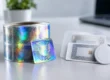
Holographic foils create a distinctive security feature that is difficult to reproduce convincingly using ordinary print. Their changing light effects are immediately noticeable, allowing warehouse teams, retailers and customers to identify an approved pack quickly. When the foil carries a bespoke logo, pattern or image, it becomes far more than a decorative finish: it becomes a recognisable mark of authorised supply.
This visibility changes the calculation for anyone considering unauthorised resale. A diverted pack bearing a market-specific hologram, a distributor identifier or a clearly defined security design is easier to trace back to its source. Even where a label does not contain variable data, its design can show that the product was allocated to a particular channel, campaign or region.
The deterrent is strongest when the holographic foil is part of a wider security plan. A single generic hologram may raise the barrier, but a bespoke design with layered features makes imitation and substitution much less attractive. It also gives your staff clear checks to use when stock is received, audited or investigated.
A visible marker for authorised stock
A holographic foil can be tailored to identify approved product lines without changing the appearance of the whole pack. For example, a premium retailer range could carry a specific holographic motif, while export stock uses a related but distinct version. If products appear in the wrong place, the difference is easy to spot.
This approach is particularly useful where packaging is otherwise similar across markets. Rather than relying on tiny printed codes that are missed during a busy goods-in check, you create an obvious visual cue. The goal is not to make checks complicated. It is to help people make the right decision quickly.
A barrier to label swapping and repackaging
Diversion frequently involves repackaging. A seller may remove a distributor label, cover a restricted-market notice or replace a seal so stock looks suitable for another channel. Holographic foils on tamper-evident materials make this much harder to conceal.
A destructible label breaks apart when removal is attempted. A void material leaves a visible message or pattern behind. Honeycomb-style materials provide another clear sign that a seal has been lifted. If the foil is applied across a carton opening, bottle cap or closure point, anyone handling the item can see whether the original pack integrity has been disturbed.
There is a trade-off here. The more aggressive the tamper-evident material, the more carefully it must be matched to the surface and application process. A label that performs perfectly on a smooth carton may need a different adhesive or construction for a textured plastic container. Testing matters, and that is where a bespoke security-label supplier can help remove guesswork.
A practical aid to investigations
When diverted products are found, speed matters. Your sales, operations and brand-protection teams need to establish whether the goods are genuine, where they were intended to go and whether the packaging has been interfered with.
Holographic foils provide immediate evidence. A missing label, incorrect design, broken seal or unexpected feature can narrow an investigation before stock is sent for further examination. Bespoke holograms can also include hidden text, micro-detail, UV-reactive elements or images visible only under certain conditions. These features allow trained staff to check authenticity without advertising every security detail publicly.
Covert features should be used thoughtfully. They are valuable for internal verification and enforcement, but they should sit alongside overt checks that a warehouse operative or retailer can understand. The best solution is often layered: visible enough to discourage diversion, with deeper checks available when a concern arises.
Designing a foil strategy around your supply chain
The right holographic foil is not necessarily the most complex one. It is the one that addresses the point at which your stock is most vulnerable. Begin by mapping where products change hands, where packaging is most likely to be altered and which markets or customers need clear differentiation.
A growing consumer brand may simply need a custom holographic tamper seal on high-value packs, giving customers reassurance and discouraging opportunistic resale. A manufacturer with multiple distributors may need separate designs for different channels, combined with documented receiving checks. A business managing controlled or regulated products may require visible holographic security alongside covert inspection features and stricter evidence procedures.
Think carefully about who needs to verify the label. If retail staff need to identify stock at a glance, a bold bespoke holographic pattern is useful. If the check is handled only by trained investigators, discreet UV text or hidden imagery may be more appropriate. There is no value in adding features that nobody can check or act upon.
Variable serial numbers, barcodes and custom text can add another layer of traceability where required. These are especially useful when you need to identify individual units or batches. They are normally best planned as part of a wider label programme, so the holographic security element, tamper evidence and data requirements work together rather than competing for space.
Making diversion checks workable for partners
Security measures only deter diversion when people use them consistently. Your authorised distributors and retailers should know what the hologram is meant to look like, where it should be positioned and what to do if a pack appears altered or unfamiliar.
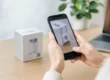
Keep instructions short and practical. A photograph or approved sample can support routine checks, while the details of covert features remain limited to trusted personnel. Encourage partners to report suspect stock before it is sold, not after a customer complaint forces the issue.
It is also wise to review your foil design as routes to market change. New product formats, export territories, promotions and online marketplace activity can all create fresh opportunities for stock to move outside approved channels. Security should support commercial growth, not hold it back.
Security that supports the brand, not just the pack
A holographic foil should look credible on your packaging as well as perform a security function. Custom designs can incorporate your logo, colours and visual style so the label feels like part of the product rather than an afterthought. That improves customer confidence while giving unauthorised sellers a more difficult feature to copy or remove.
HologramLabel.co.uk can help businesses combine bespoke holographic design, tamper-evident materials and visible or covert features without turning the process into a technical project. Low order thresholds also make it possible to begin with a focused product line or vulnerable channel, then expand as your requirements develop.
The most effective deterrent is not a label chosen from a checklist. It is a foil design that gives your legitimate partners confidence, gives your team useful evidence and makes diverted stock far less comfortable to sell.