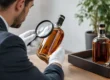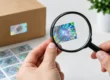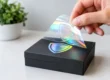
A counterfeit bottle, replacement electronic part or substituted cosmetic can do more than lose a sale. It can trigger complaints, safety concerns and lasting damage to a brand people once trusted. Security labels give customers, distributors and internal teams a practical way to check that a product is genuine and that its packaging has not been opened or interfered with.
For many UK businesses, the right label is not simply a packaging extra. It is a visible part of a wider product-protection plan. Holographic effects make copying harder, tamper-evident materials reveal interference, and carefully chosen hidden features give authorised people another way to authenticate goods. The challenge is selecting protection that matches the real risk without adding needless complexity or cost.
What security labels are designed to do
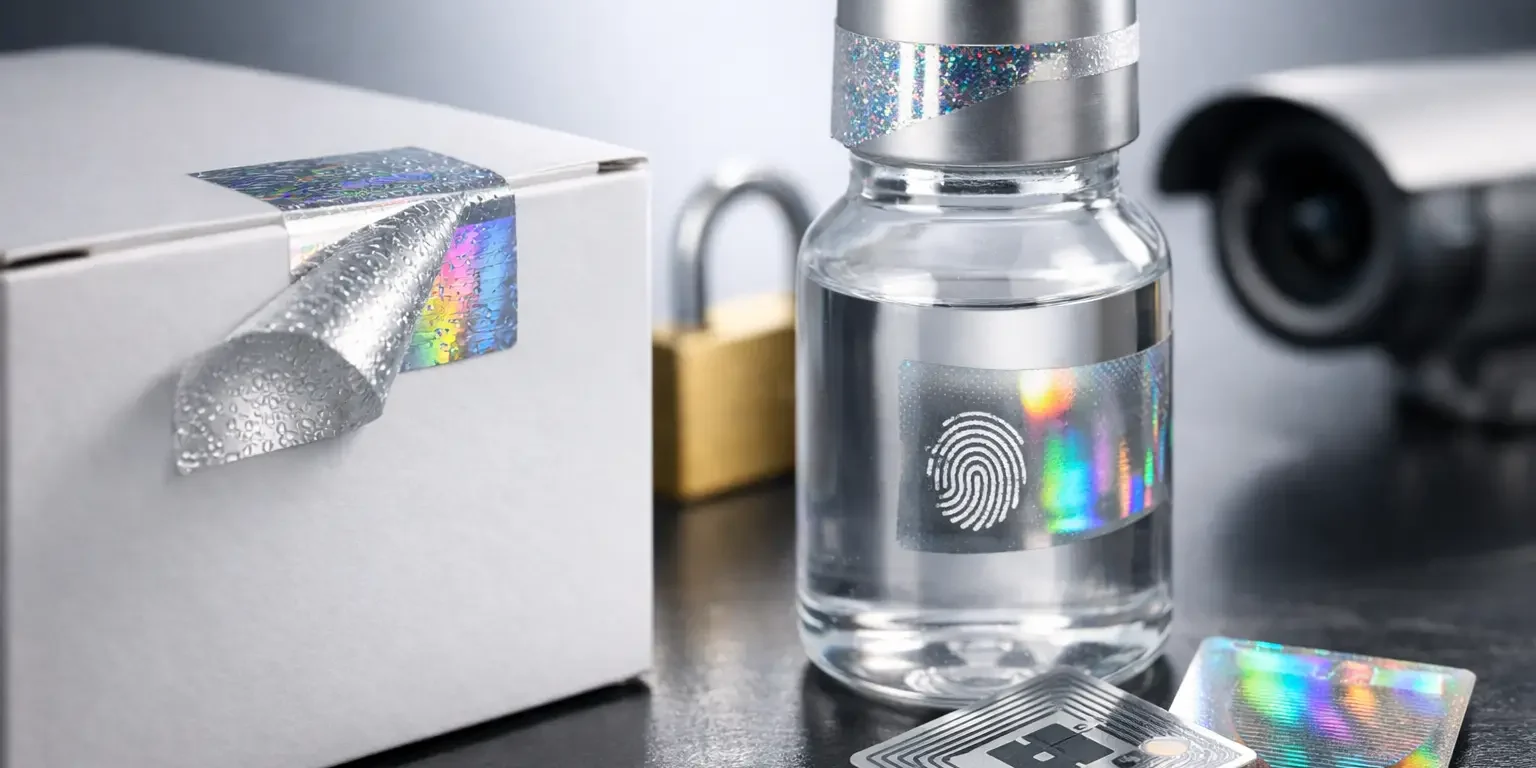
Security labels are adhesive labels or seals made to make copying, opening, replacing or diverting products more difficult. They often combine more than one job. A label may reinforce a premium brand presentation while also showing whether a carton has been opened. Another may carry a holographic image that customers can recognise at a glance, with a covert feature for inspectors or distributors to verify.
That combination matters because counterfeiting is rarely a single problem. A business may be dealing with lookalike products sold online, genuine stock diverted into an unauthorised market, parts substituted during servicing, or packaging opened and resealed before reaching the customer. A plain sticker can identify a pack, but it offers little resistance to someone determined to imitate it. A purpose-designed security seal raises the effort required and gives the recipient a clear signal when something is wrong.
The aim is not to promise that any one label makes fraud impossible. Determined criminals adapt. The practical objective is to create enough visible, physical and difficult-to-copy checks that imitation becomes less attractive, interference becomes apparent and questionable stock can be investigated quickly.
Why holographic security labels work
A hologram changes appearance as it catches the light. This is immediately noticeable, easy for a customer to understand and substantially more difficult to reproduce convincingly with ordinary print. It gives genuine products a recognisable visual cue without asking every buyer to use an app or scan a code.
For brands exposed to counterfeiting, that first visual check can be valuable. A customer buying a collectible, cosmetic, automotive component or bottle of spirits should be able to see that a seal has a distinctive shifting image or pattern. It helps the product look considered as well as protected.
The real value increases when the hologram is made specifically for your brand. A bespoke design can include a logo, wording, pattern, colour and security devices that are not available on a generic stock label. It is harder to copy what a counterfeiter cannot easily source, and easier for your own team to identify a label that does not look quite right.
There is a trade-off. Stock hologram labels are a sensible, fast option when the need is general tamper evidence or a visible deterrent. They will not, however, carry the distinctive authentication value of a custom design. Bespoke labels are usually the better choice where brand identity, repeat purchasing and a known counterfeit risk justify the additional planning.
Tamper evidence needs to suit the packaging
A label only protects the point at which it is applied. That sounds obvious, but it is where many specifications fail. A beautiful holographic seal placed away from the opening of a carton may authenticate the pack but will not show that the contents have been accessed. The label position, substrate and opening method should be considered together.
Tamper-evident materials are designed to change when someone tries to remove them. Depending on the application, they may break apart, leave a visible void message, split into a honeycomb pattern or destroy themselves on removal. The result should be clear: once opened, the seal cannot be reapplied to look original.
The best material depends on the surface. Smooth glass, coated card, plastic containers and rough or curved packaging behave differently, while temperature, moisture and storage conditions can affect adhesion. A label used on a chilled cosmetics jar may need a different adhesive approach from one sealing an indoor electronics carton. Testing on the real pack is sensible, particularly where product safety or high-value goods are involved.
A tamper-evident label also needs to be easy for the genuine customer to interpret. If a seal breaks during ordinary opening, that should be expected and obvious. If it leaves a void or pattern, use clear packaging wording where appropriate so customers know what they are seeing. Security that causes uncertainty can create avoidable support enquiries.
Build protection in layers, not in isolation
The strongest approach usually combines features that work at different levels. Some are overt, meaning anyone can see them. Others are covert and intended for trained staff, distributors or investigators. Layering gives you checks for the customer at the point of purchase and more detailed verification further up the supply chain.
Useful options can include:
- holographic imagery, custom patterns and branded text for an immediate visual check;
- UV features, hidden images or microtext for authorised inspection;
- thermo-reactive or coin-reactive elements that respond to a simple physical check;
- scratch-off areas where controlled access to information is needed; and
- destructible, void or honeycomb materials to show that packaging has been opened.
Not every product needs every feature. A low-value retail accessory may need a clear holographic seal and destructible material. A pharmaceutical-related product, premium spirit or specialist automotive component may justify several overt and covert layers. Start with the consequences of a fake or opened product: consumer harm, warranty claims, regulatory exposure, lost margin, reputational damage or all of the above.
It is also worth separating authentication from tracking. A hologram confirms a feature of the label itself. Variable serial numbers, barcodes, asset identifiers and unique text can support stock control and traceability, but they are a separate requirement that should be planned early. If variable data is central to the project, a specialist security-label partner can help ensure the label design and data process work together.
Questions to ask before specifying a label
Good security begins with a clear brief, not a catalogue of features. Think about where the product is sold, who handles it and how a fake is likely to appear. Products sold through multiple distributors, marketplaces or international channels may require straightforward visual verification for people who have never dealt with your team. Goods handled mainly by authorised engineers may benefit more from a hidden inspection feature.
Consider the label size and viewing distance too. A small seal on a compact electronic item has less room for wording than a carton closure. A feature that looks impressive at large scale may not be practical on a narrow neck label. Equally, a highly detailed design should not obscure essential product information, compliance marks or instructions.
Ask whether the label is there to authenticate the item, secure an opening, deter unauthorised resale or support a premium presentation. One label can serve several purposes, but priorities matter. A packaging seal should be designed around the opening first. An authenticity label on a durable component may need to survive handling and remain legible for years.
Budget is part of the conversation, but low cost should not mean low thought. The most effective specification is one that fits the risk and can be ordered consistently as your product range grows. Low minimum order quantities can make it possible to protect a new launch or limited run without committing to an excessive volume, while a bespoke design service can turn a clear commercial need into a workable label without burdening your team with production jargon.
Make verification part of the rollout
A security label has more value when the people receiving it know what to check. Brief your fulfilment team, distributors and customer-service staff on the genuine appearance, placement and expected tamper behaviour. Keep an approved reference sample available, especially when packs are produced across more than one site.
For customer-facing products, simple wording can help without revealing every security detail. You may explain that the pack should arrive with an intact holographic seal, while keeping UV images or hidden features for internal verification. Publicly advertising every covert device removes much of its benefit.
Review the label once it is in use. Are seals applied consistently? Do they survive transit? Are customers misunderstanding a void message? Have counterfeiters begun imitating a visible design? Product protection is not a one-off procurement exercise. It should evolve with the product, its sales channels and the risks around it.
HologramLabel.co.uk works with businesses that need this process to feel straightforward, from an initial idea through to bespoke holographic labels with tamper-evident and covert features. Bring the product, pack and concern to the discussion; the right security solution starts with understanding exactly what you need to protect.