A security feature selection guide should begin with the point at which your product is most exposed, not with the most impressive-looking label. A premium spirit bottle on a retail shelf, a replacement automotive part moving through distributors and a cosmetic product sold online each face different threats. The right answer may be a highly visible hologram, a label that shows interference immediately, a concealed authentication check, or a carefully chosen combination.
For UK businesses, the aim is straightforward: make genuine products easy to recognise, make interference difficult to hide and make copying less worthwhile. The best label does this without creating an unnecessary cost or a complicated packing process. That is why security features should be selected around genuine commercial risk rather than treated as a standard packaging extra.
Start with the risk, not the feature
Counterfeiting is not one problem. It can mean an imitation product using your brand, an authentic item refilled with inferior contents, packaging opened and resealed, or goods diverted into channels where they should not be sold. Each calls for a different response.
Consider what a fraudster would gain, how easily a customer or member of staff can spot a problem, and where the product changes hands. A low-value component packed in bulk may need clear tamper evidence for receiving teams. A high-value collectible may benefit from layered visual and covert features that help buyers verify authenticity. A pharmaceutical or safety-critical product may need both, because package integrity matters just as much as brand recognition.
It also helps to identify who will perform the check. Consumers need an obvious cue that works in seconds. Retail staff may be trained to look for a particular image, colour change or concealed detail. Your own quality team can use more discreet checks. One label can serve several audiences, but every feature should have a clear purpose.
Choose visible features that make authenticity easier to judge
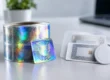
A holographic effect is often the first line of defence because it is difficult to reproduce convincingly with ordinary printing. It also gives customers a familiar sign that a product has been protected. However, a generic hologram on its own can be copied in appearance or applied to the wrong product, so bespoke design matters where brand protection is a priority.
Your logo, a recognisable pattern, product name or a distinctive colour treatment can be incorporated into a custom hologram. This makes the label part of the brand experience rather than an add-on. It can also help distributors and customers recognise the correct label at a glance.
Visible features work best when they are specific enough to describe. Instead of telling staff to check for “a hologram”, provide a simple instruction: look for the repeating logo, inspect the shifting image, or compare the pattern against an approved sample. If the feature cannot be explained clearly, it is unlikely to be checked consistently.
When a premium finish is also a security measure
A polished holographic label can enhance packaging, particularly for cosmetics, drinks, electronics and collectible goods. That commercial benefit is useful, but appearance should not be confused with protection. A standard decorative foil may look premium without providing meaningful authentication.
A purpose-designed security hologram combines visual appeal with details that are harder to imitate. The trade-off is that bespoke artwork and tooling require early discussion. For a long-running product range or a brand with a real counterfeit exposure, that planning is usually worthwhile. For a short campaign, a stock hologram label with tamper evidence may be the more proportionate choice.
Add tamper evidence where package integrity matters
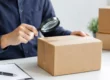
Authentication answers, “Is this likely to be genuine?” Tamper evidence answers, “Has this package been opened, removed or interfered with?” Many products need both answers.
Destructible materials break into fragments when removal is attempted. Void labels leave a visible message or pattern on the surface and sometimes within the label itself. Honeycomb-style materials create a clear broken pattern. The right material depends on the surface, the product’s expected life and what should happen after opening.
For example, a warranty seal on an electronic enclosure may need to leave obvious evidence if it is lifted. A closure seal for a bottle must bridge the cap and container cleanly, then show interference when opened. An asset or equipment label may need to resist normal handling but fail clearly when someone tries to transfer it to another item.
Test the label on the real substrate before committing to a production run. Cardboard, glass, coated cartons, curved plastic and textured metal all behave differently. Temperature, moisture and packing-line speed also affect adhesion. A feature that works perfectly on a flat sample can perform poorly once it reaches a chilled warehouse or a busy production environment.
Use covert features for checks that counterfeiters cannot prepare for
Covert features add a second layer. They are not intended to be obvious to every buyer, which makes them valuable when counterfeiters have learned to imitate the visible parts of your packaging.
UV elements can reveal text, graphics or patterns under ultraviolet light. Hidden images and micro-detail can provide a controlled check for authorised teams. Thermo-reactive or coin-reactive effects offer an additional physical test that is difficult to reproduce accurately without knowing it is present.
These features are most effective when access to the checking method is controlled. If every detail is published on social media or printed on public instructions, it stops being a useful secret. Keep the process practical, though. A warehouse team is more likely to use a simple UV torch than specialist equipment that sits in a drawer.
Covert options should complement, not replace, visible reassurance. A customer who suspects a fake product needs a clear reason to pause before purchase. Your internal team then needs a deeper way to confirm their concern.
Build layers without paying for features you will not use
The strongest approach is usually layered security: a visible custom hologram for fast recognition, tamper-evident material for package integrity and one or more covert checks for investigation. That does not mean every product requires every available device.
Match the level of protection to the likely loss. Consider the value per unit, the damage a counterfeit could cause, the volume of goods in circulation, the complexity of the supply chain and the reputational cost of a failure. A small run of high-value goods can justify a detailed bespoke solution. A large-volume everyday product may need a simple feature that can be applied reliably at scale.
Budget should include more than unit price. Ask about design work, minimum order quantities, lead time, application requirements and whether the label will cause waste or slow down packing. A lower-priced label that fails during application is not good value. Equally, there is no benefit in paying for a sophisticated concealed feature if no one has been assigned to check it.
Plan for verification after the labels arrive
Security is a process, not just a printed item. Keep approved samples, record the feature specification and make sure relevant teams know what they are looking for. Procurement, operations, customer service and distributors may each need a different level of guidance.
If your requirements include unique serial numbers, barcodes, variable data, asset identification or individual tracking, specify this at the start. These functions often sit alongside holographic and tamper-evident protection, but they need their own production and data-handling plan. Clear requirements prevent a label from being attractive yet unsuitable for the way your business verifies stock.
Review the solution as your product changes. New packaging materials, additional sales channels, export markets and a rise in online resale can all alter the risk. Counterfeiters also adapt, so a feature that was sufficient three years ago may now need another layer.
A good security label should make life harder for the wrong people while keeping life simple for everyone else. Bring the real product, packaging and threat to the conversation, then choose features that your customers and teams can genuinely use. That is how security becomes a practical part of protecting your reputation, rather than a costly detail nobody checks.