A hologram should do more than make a pack look premium. When you create custom logo holograms, you are putting a recognisable authentication mark directly on the product or packaging – one that is difficult to copy, easy for customers to spot and capable of showing whether a seal has been disturbed.
For a growing brand, the right label can deter opportunistic copying before it becomes a costly problem. For established manufacturers, it can provide a consistent, practical layer of protection across a complex supply chain. The value comes from combining distinctive design with security features that fit the product, the risk and the way it is sold.
What custom logo holograms need to achieve
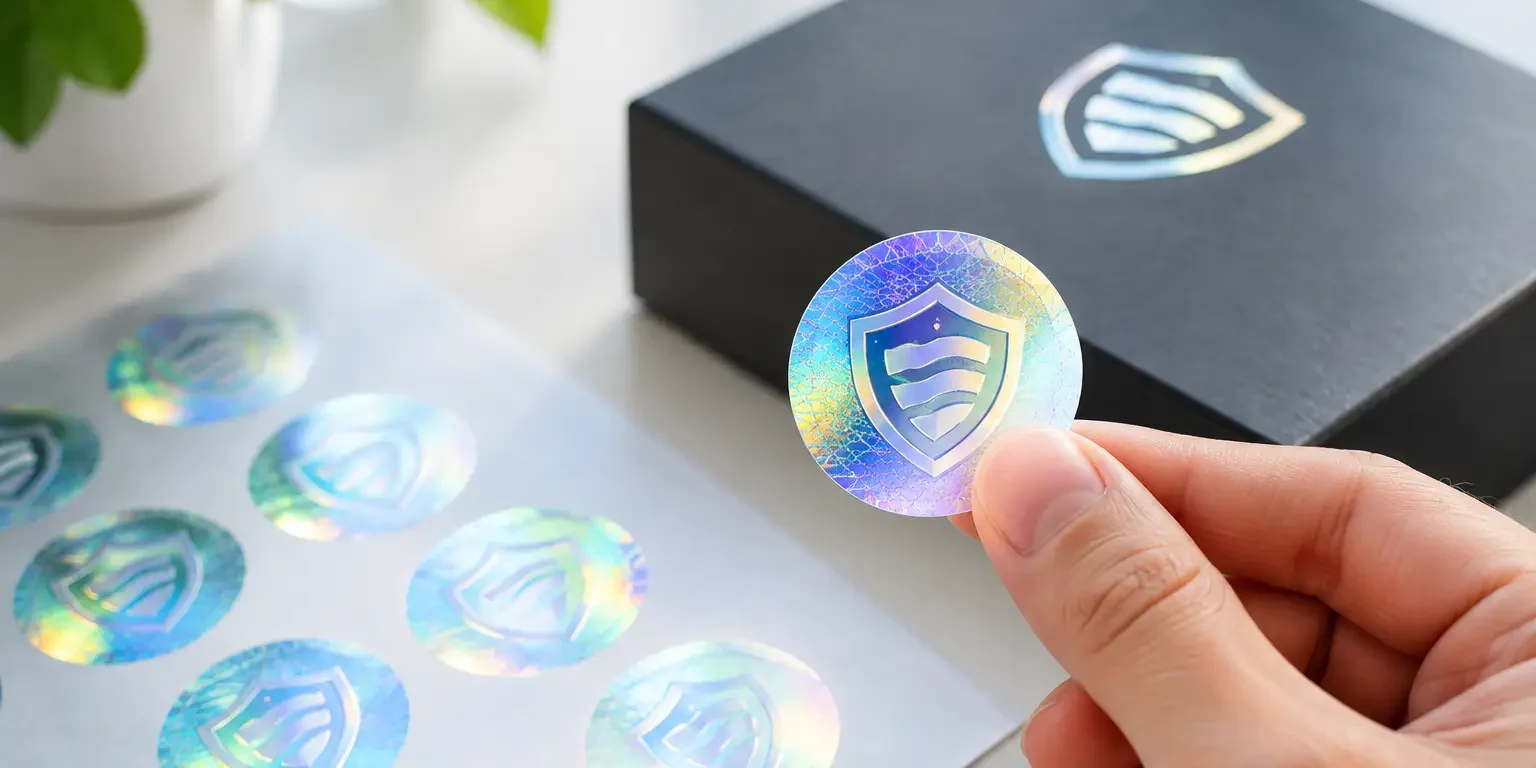
A bespoke hologram is not simply a metallic sticker with a logo printed on top. The holographic effect, artwork and security devices are engineered into the label design. As the label moves, light creates changing colours and patterns that give customers, retailers and inspectors an immediate visual reference point.
That reference point matters. A familiar logo or emblem is easier to check than a generic hologram, while a carefully chosen security feature gives your team a reliable way to distinguish a genuine label from a convincing imitation. If the label also breaks, reveals a message or leaves residue when removed, it can show whether packaging has been opened or substituted.
The best design depends on the job it has to do. A small cosmetics carton may need a compact seal with a clear branded image. An industrial component might need a durable label that remains legible through handling, oil or fluctuating temperatures. A collectible product may benefit from an overt holographic logo that buyers can recognise at a glance, supported by a discreet feature for authorised verification.
Start with the risk, not the artwork
Before discussing colours, foil effects or label shapes, define what you need to prevent. Counterfeit goods, grey-market diversion, unauthorised returns and tampering can look similar from a distance, but they call for different label specifications.
If packaging interference is the main concern, tamper evidence should lead the conversation. A destructible material breaks into pieces if someone attempts to lift it. A void label leaves a visible message on the surface or label face after removal. Honeycomb materials provide another clear sign that a label has been disturbed. These options are particularly useful where a seal bridges a carton opening, bottle cap or product enclosure.
If counterfeit products are the bigger risk, focus on authentication. A logo hologram can include visual elements that are difficult to reproduce with ordinary printing, such as detailed patterns, hidden text, micro imagery or colour-shifting effects. Covert devices, including UV-reactive details, add a second level of checking for trained staff or distributors.
Many brands need both. A tamper-evident hologram can confirm that the pack has not been opened while its bespoke design helps verify that the product is genuine. That combination gives one small label a serious commercial purpose.
How to create custom logo holograms with the right features
The practical process is straightforward when the supplier understands both security and packaging. Start by sharing your logo, preferred label size, the surface the label will be applied to and a clear description of the product journey. Include whether the label will sit on cardboard, glass, plastic, metal or another material, and whether it must tolerate moisture, heat, abrasion or frequent handling.
Your logo may need minor adaptation for holographic production. Fine lines, very small lettering and subtle tonal changes can behave differently in a hologram than they do in print. That is not a reason to simplify your identity beyond recognition. It is a reason to use the logo intelligently, protecting its most recognisable features while allowing the holographic design to do its job.
A strong bespoke concept often combines several elements:
- Your logo or brand mark as the central visual feature.
- A repeat pattern, guilloche-style background or geometric texture that makes copying harder.
- A visible authentication cue, such as a changing image or distinctive optical effect.
- A covert device, such as UV text or a hidden image, for controlled checks.
- A tamper-evident substrate where package integrity matters.
Not every label needs every device. Over-specifying a label can add cost without adding meaningful protection, especially where the product has a low counterfeit risk. On the other hand, a simple generic hologram may be too easy for a counterfeiter to imitate and does little to reinforce your brand. The right balance is based on the likely threat, the product value and the consequences if a false item reaches a customer.
Choose materials for the real conditions
Label material is just as important as the holographic artwork. A label that looks excellent in a sample folder but lifts from a curved bottle or fails on a textured carton is not security. Application method, storage conditions and surface energy all affect performance.
For sealed packaging, a void, destructible or honeycomb tamper-evident material can make removal immediately obvious. For items requiring a more durable finish, the adhesive and face material should be selected to suit the surface and expected handling. A label placed on a smooth, clean plastic surface behaves very differently from one applied to a dusty, uneven or recycled board surface.
Consider where verification happens as well. If a customer needs to recognise the label in a shop, the visual effect must be obvious under ordinary lighting. If checks happen in a warehouse or during field servicing, a small UV feature or hidden detail may be more useful. Security works best when the people expected to use it can actually check it.
Make verification simple for legitimate users
A common mistake is treating security as a secret only the manufacturer understands. Some features should be covert, but your visible verification method should be easy to explain. For example, you might instruct retailers to look for a specific logo movement, image change or pattern under normal light. Your internal team can then use UV light or another controlled method for a deeper check.
This layered approach creates practical separation. Customers gain reassurance from a distinctive branded seal. Retailers can carry out a quick initial check. Your quality, compliance or investigation teams retain an additional verification method that is not obvious to counterfeiters.
Keep the guidance proportionate. A complicated inspection routine may be ignored on a busy goods-in desk. One or two clear checks, supported by an escalation route for anything suspicious, are more likely to be used consistently.
Think beyond the first production run
When ordering custom holograms, consider how the design will work as product lines, packaging formats and markets change. A versatile core design can be resized for cartons, bottles, warranty cards or component packs while retaining the same recognisable security identity.
It is also wise to plan for controlled evolution. Changing a hologram design periodically can make counterfeiting more difficult, particularly where counterfeiters have had time to study an older version. The change does not need to confuse customers. A familiar logo can remain central while a pattern, hidden feature or tamper material is updated.
For businesses that require serial numbers, variable data, barcodes, asset identification or individualised text, these requirements should be discussed at the outset. They may need a related specialist label solution rather than a standard bespoke hologram specification. Being clear about this early avoids paying for a label that does not support the operational checks you need.
Get the specification right before committing
A supplier should be able to translate commercial concerns into a clear label specification without burying you in production terminology. Ask how the artwork will be protected, which authentication features are visible or covert, what tamper evidence will look like after removal and whether the label material suits your application surface.
You should also ask about minimum order quantities, lead times and sample or proofing arrangements. Lower minimums can be particularly valuable when launching a new product, testing packaging or protecting a limited edition. Fast turnaround matters, but it should not come at the expense of confirming artwork, adhesive choice and security requirements first.
HologramLabel.co.uk supports this process with bespoke design, low minimum order quantities and tamper-evident options built into the discussion from the start. No catches, just a practical conversation about what your label needs to protect.
A well-designed logo hologram makes authenticity more visible and tampering harder to hide. Bring the product, packaging and risk scenario to the conversation, and the right combination of branding and security can follow.