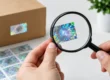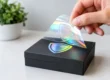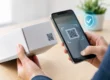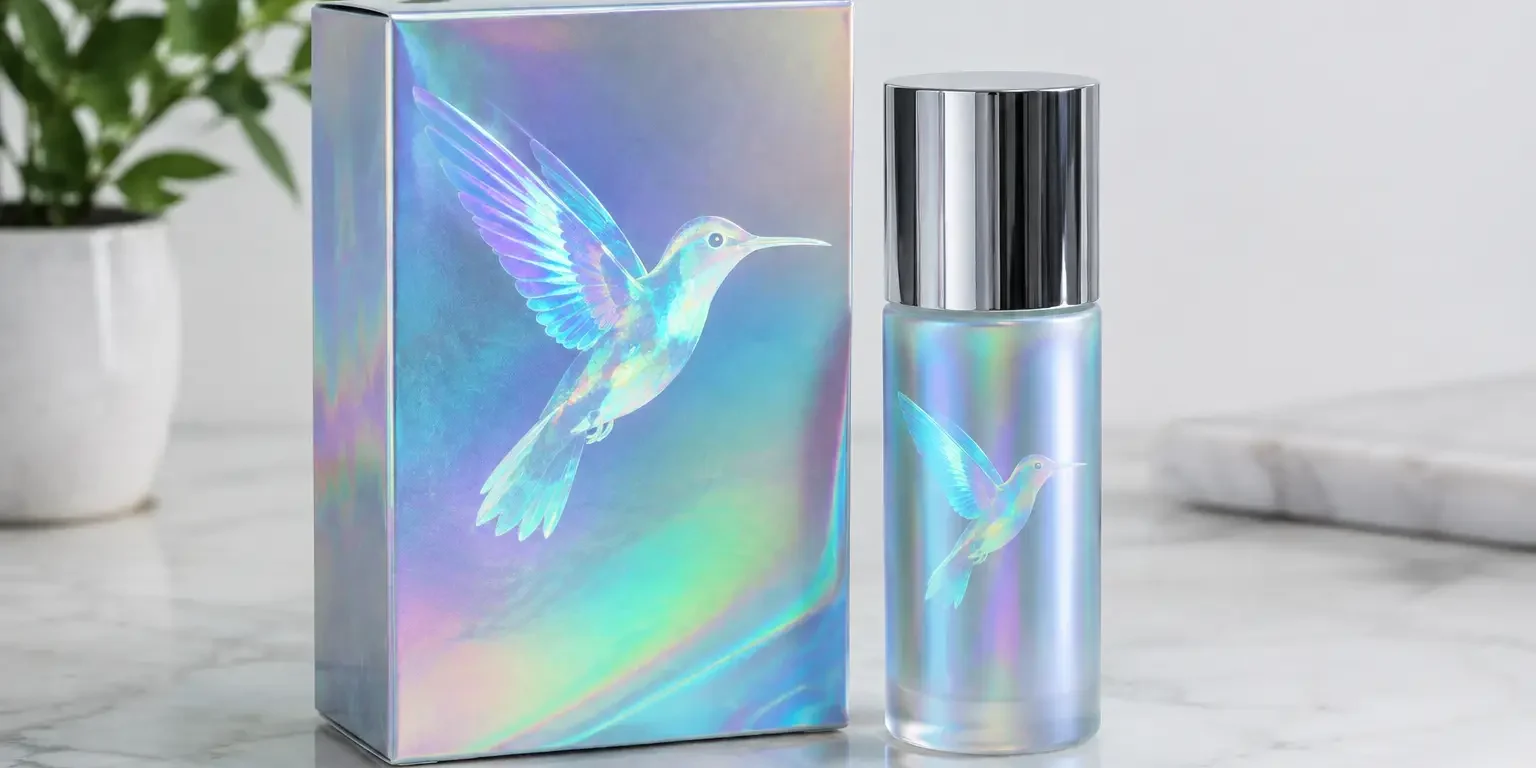
A counterfeit bottle, component or beauty product rarely announces itself at first glance. It borrows your colours, your logo and your packaging cues, then relies on a customer, retailer or distributor not looking closely enough. When you integrate holograms into branded packaging, you give legitimate products a visible marker that is difficult to copy accurately and easy for people to recognise.
For UK brands, holograms are not merely a decorative finish. Used well, they can bring product authentication, tamper evidence and a more premium packaging experience together in one compact label or seal. The key is to treat the hologram as part of the pack design and security plan from the outset, rather than an afterthought applied once a problem has emerged.
Why integrate holograms into branded packaging?
Packaging already has several jobs to do. It must present the product well, communicate required information, survive handling and reassure the buyer that what they are receiving is genuine. A holographic label can support each of these jobs while adding a feature that is far harder to reproduce with standard print.
The shifting light effect gives consumers, trade customers and inspectors a quick visual check. A bespoke design can incorporate a logo, repeating brand pattern or recognisable image, so the security device feels intentional rather than like a generic sticker placed on the box. This matters on crowded shelves, but it matters even more when stock moves through distributors, online marketplaces or international supply chains where your team cannot inspect every unit.
A hologram also creates a useful distinction between brand decoration and brand protection. Foil effects can look impressive, but a properly specified holographic security label can carry multiple levels of authentication. One feature may be visible to everyone, another may be checked under UV light, and a further detail may be known only to authorised staff. That layered approach gives you better options when an authenticity query arises.
Start with the risk, not the artwork
Before choosing shapes, finishes or effects, establish what the packaging needs to prevent. Different risks call for different materials and features.
If the concern is refilling or unauthorised opening, a tamper-evident seal across a carton flap, jar lid or closure is usually the sensible starting point. Destructible materials, void labels and honeycomb constructions are designed to show evidence when someone tries to remove or interfere with them. The result is not just a hologram that looks distinctive, but packaging that makes interference apparent.
If imitation is the larger concern, focus on features that counterfeiters cannot easily reproduce. This could mean a bespoke holographic image, hidden text, micro-detail, UV-reactive elements or a combination of overt and covert devices. The right choice depends on the value of the goods, the likely sophistication of the counterfeit threat and who needs to verify the label.
For many brands, the answer is a balanced specification. Customers need a simple visual cue they can understand in seconds, while your operations, quality or brand-protection team may need additional details for closer checks. There is no benefit in fitting every available security device onto a small label if nobody has a practical way to inspect it.
Think about who will check the pack
A consumer at a retail shelf needs a clear, consistent sign of authenticity. A distributor receiving pallets may need a feature visible without opening the outer case. An investigator or field representative may need a hidden device to distinguish a convincing copy from the real product.
Define those users before finalising the design. It keeps the label useful in real conditions, rather than technically impressive only on a sample sheet.
Choose a placement that protects the product
Where the hologram sits is as important as what it contains. A security label should be difficult to transfer to a counterfeit product without leaving evidence, while remaining easy enough for genuine packaging teams to apply accurately.
Carton closures are a popular location because a seal can secure two panels at once. On bottles, a label can bridge the cap and container. Electronics and industrial components may benefit from a label placed over an enclosure seam or access point. For collectibles, certificates and limited-edition goods, the hologram may sit on the item, its presentation box or both.
Avoid placement purely for visual impact if it will be damaged by handling, hidden by a retailer’s label or distorted around a tight curve. Ask for samples on the actual packaging substrate where possible. Coated board, uncoated card, glass, plastic and textured surfaces can behave differently, and conditions such as cold storage, heat and humidity should also be considered.
The application process deserves equal attention. A low minimum order quantity is helpful when trialling a concept or launching a new product, but a successful trial should reflect real production conditions. Check that the labels can be applied consistently at the intended speed, whether by hand or on a production line, and agree clear positioning guidance for packers.
Make the hologram look like your brand
Security does not need to make packaging feel clinical. A bespoke hologram can carry your logo, colour direction, a graphic motif or a pattern that works with the wider identity. The aim is recognisability: customers should quickly learn that this feature belongs to your genuine product.
A silver hologram is familiar and effective, but it is not the only option. Transparent holographic materials can suit designs where the underlying print should remain visible. A shaped label can echo a logo or product silhouette. A repeating pattern may work particularly well across seals or multiple pack sizes. The best route depends on the available space and the visual language already established by the brand.
Be disciplined with design. Fine hidden details and bold reflective effects can coexist, but a small label has limits. Keep essential visible information legible, ensure the hologram does not obscure statutory copy, and avoid a design so busy that users cannot tell what they are meant to check.
Build security in layers
The strongest packaging programmes rarely depend on a single feature. They use layers that make copying less attractive, verification easier and tampering more obvious.
A practical arrangement might combine a custom holographic image for immediate recognition with a tamper-evident material that reveals damage on removal. For higher-risk goods, hidden text or images can provide a second check, while UV or thermo-reactive features offer another method for trained staff. Coin-reactive devices can also give a tactile, straightforward way to confirm a genuine label without specialist equipment.
Not every product needs the same level of protection. A high-value automotive part, pharmaceutical product or premium spirit may justify several authentication features. A growing cosmetics or retail brand might begin with a branded tamper-evident hologram and add further devices as volumes, distribution channels or risk levels change. That is a sensible commercial approach, not a compromise.
If you require variable serial numbers, barcodes, asset information or individualised text, plan this early. These requirements may need a complementary specialist label solution alongside the hologram, so the final pack remains clear, secure and practical to manage.
Test before committing to a full run
A hologram label should be checked as a working component, not approved solely from digital artwork. Review sample labels under normal shop lighting, warehouse lighting and daylight. Test adhesion and tamper performance on the finished packaging. Examine how the label performs after transport, stacking, refrigeration or regular handling where relevant.
It is also worth asking a simple question: can the intended user understand the check? If a customer is expected to look for a certain logo movement or pattern, make that cue obvious in your product communication. If only internal teams should use a hidden feature, document what to inspect and who is authorised to do it.
HologramLabel.co.uk can help turn an initial packaging idea into a specification that accounts for material, security level, artwork and application. That removes much of the technical uncertainty, particularly for first-time buyers, without forcing you into excessive quantities or unnecessary complexity.
Treat the label as part of your wider brand defence
A hologram is highly visible, but it works best alongside controlled packaging supply, clear product records and a process for handling suspicious goods. Keep approved artwork and label specifications under version control. Make sure distributors know what the genuine security feature looks like. Give customer service teams a simple route for escalating reports of tampering or suspected counterfeits.
Most importantly, review the specification when the product changes. A new carton, closure, print finish or distribution route may alter the best placement or material. Counterfeiters also adapt, so the security feature should not be treated as a one-off purchase that never needs revisiting.
The right hologram makes a genuine product easier to trust before it is opened. Start with the risk you need to reduce, build a design your customers can recognise, and choose security features that your business can actually use. From there, branded packaging becomes more than a container – it becomes a clear, practical line of defence.