A carton can look untouched and still have been opened, emptied, refilled or swapped. That is what makes resealing fraud particularly damaging: customers may not spot it until after purchase, when the cost is no longer limited to one compromised product. To prevent package resealing fraud, businesses need packaging that shows clear, irreversible evidence of interference before a product reaches the shelf, depot or end user.
For brands selling medicines, cosmetics, electronics, alcohol, automotive parts or high-value retail goods, package integrity is not a finishing detail. It is part of the product promise. A convincing security seal helps protect the customer, gives distributors a clear inspection point and makes unauthorised handling harder to hide.
Why resealing fraud is so difficult to detect
Resealing fraud happens when someone opens a genuine package and closes it again in a way intended to look original. The motive varies. A fraudster may replace a genuine item with a counterfeit, remove part of the contents, return a used product as new or interfere with goods during distribution.
Standard tape, glue dots and ordinary labels are rarely enough. They can often be lifted with heat, cut cleanly and replaced, or copied with readily available print equipment. Even packaging that appears professionally finished can be vulnerable if there is no feature that changes permanently once opened.
The commercial consequences extend beyond a single claim or refund. A customer who receives an altered product may blame the brand rather than the retailer, courier or marketplace seller. In regulated categories, a broken chain of package integrity may also trigger investigations, product withdrawals and difficult conversations with trading partners.
Prevent package resealing fraud at the opening point
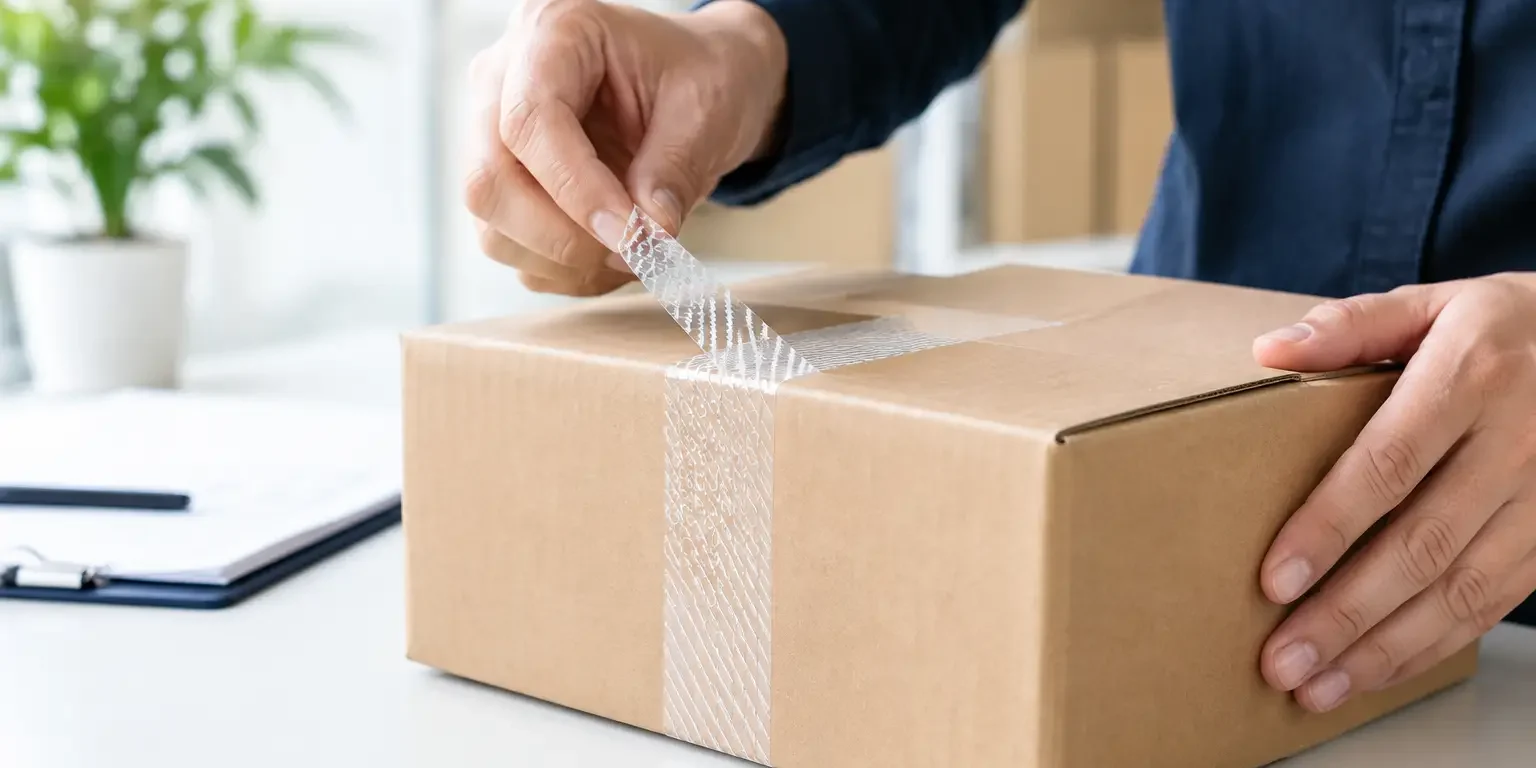
The most effective security feature is placed where the product must be opened: across a carton flap, closure, cap, pouch seam or product case. It should make opening obvious, and it should be difficult to remove without damaging either the seal or the packaging beneath it.
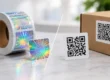
Tamper-evident hologram labels are particularly useful because they combine two jobs in one application. They provide a highly visible branded seal while leaving a permanent message, pattern or material disruption when removal is attempted. A buyer, warehouse team member or consumer can then see that the package has been interfered with before relying on its contents.
A void label, for example, can leave a repeated VOID message on the pack and sometimes on the label itself. Destructible materials break into fragments when lifted, making clean reapplication impractical. Honeycomb materials similarly distort or break apart under removal. The right choice depends on the surface, the expected handling conditions and the level of deterrence required.
There is a trade-off. A very aggressive adhesive or highly destructible seal may be ideal for a one-time carton closure, but unsuitable for packaging that needs to be opened legitimately during servicing or installation. The aim is not simply to choose the strongest material. It is to create a clear, proportionate indication of unauthorised opening.
Make the seal part of the pack design
Security works best when it is designed into the pack rather than added at the end of a production run. A seal spanning both the lid and base of a carton is stronger evidence than a sticker sitting on one panel. A label that bridges a bottle cap and neck makes it immediately clear whether the closure has been disturbed.
Consider what a genuine seal should look like from every relevant angle. Its position, orientation, artwork and finish should be consistent enough for staff to inspect quickly. If labels are applied by hand, allow sensible tolerances in the design while retaining a defined placement area. A security solution that is difficult to apply correctly at volume can create avoidable waste and inconsistent checks.
It also helps to choose colours and artwork that belong to the brand. A holographic finish catches the eye, but recognisable logos, patterns and product-specific designs make substitution more difficult. Generic seals can be purchased by almost anyone. Bespoke holograms give counterfeiters and re-sealers another obstacle to overcome.
Use visible and hidden security together
A hologram is an immediate visual signal that a package has security protection. Its changing light effects are difficult to reproduce convincingly with ordinary printing, and they give customers a simple cue to look for. Yet visible features are only one part of a well-considered anti-resealing strategy.
For products at higher risk, combine overt features with details that are not obvious at first glance. UV elements, hidden text or images, thermo-reactive effects and coin-reactive features can give trained teams a quick way to authenticate a genuine label. These features are valuable at goods-in, during retailer checks and when investigating a suspect return.
The key is to match the feature to the person checking it. A customer should not need special equipment to see that a seal has been broken. Conversely, a distributor or brand-protection team may benefit from a covert check that cannot be copied simply by studying a product on a shelf.
Avoid publishing every authentication detail. Tell customers what they need to know, such as checking that the seal is intact and correctly positioned. Keep the more detailed verification guidance for authorised staff and partners. Security loses value when the full method is printed on the outside of the box.
Build checks into the supply chain
A tamper-evident label is powerful, but it is not a substitute for process. Resealing often succeeds because an altered item moves through returns, storage or fulfilment without anyone checking its condition. Every handover is an opportunity to identify a broken or suspicious seal.
Set a clear acceptance standard for incoming stock, returned goods and products moving into final dispatch. Staff should know what an intact seal looks like, where it should be positioned and what action to take if it is missing, misaligned, creased, partly lifted or showing a void message. Photographic examples are particularly useful when teams work across multiple sites.
Returns need their own controls. An item should not automatically be returned to saleable inventory because its outer packaging looks neat. Inspect the tamper seal, product condition and contents against the correct product specification. For higher-value goods, quarantine questionable returns until they can be checked by a trained supervisor.
Where appropriate, maintain batch records and seal application records. This does not need to become burdensome paperwork. The purpose is to make anomalies easier to trace. If a pattern of compromised packages appears in one region, channel or delivery route, you need enough information to investigate quickly and adjust controls.
Choose the right label material for real conditions
The label has to survive legitimate use while exposing illegitimate removal. That means assessing the package material and the journey it will take. Coated cartons, recycled board, plastic tubs, glass bottles, painted metal and flexible films all present different adhesion challenges.
Temperature, moisture, abrasion and oils matter too. A label on chilled cosmetics or bottles may require a different adhesive approach from one applied to dry, room-temperature electronics packaging. If a product is handled in a workshop, warehouse or vehicle environment, the seal must remain readable despite dirt and friction.
Test before committing to a full order. Apply samples to production packaging, leave them for the expected cure time and test opening, lifting, rubbing and normal transit conditions. Examine both the initial appearance and the evidence left after removal. This practical step can prevent an otherwise attractive label from underperforming on the actual pack.
Do not overlook the customer experience
A security seal should reassure, not confuse. If opening a package requires tearing through a branded hologram, make that intentional and easy to understand. A small instruction such as Check seal before opening can help, particularly for products sold through retailers or online marketplaces where customers may be less familiar with the brand.
Be careful not to imply that an intact seal proves every aspect of product authenticity. It is one valuable control among several. Clear wording should explain that a broken or missing seal means the customer should not use the product and should contact the seller or brand through the usual support route.
For premium products, a well-designed holographic seal can also improve presentation. This is not just cosmetic. When brand identity and security are integrated, customers are more likely to notice the feature and less likely to mistake it for a disposable delivery sticker.
A practical route to stronger package integrity
Start by identifying the products most attractive to tampering, substitution or fraudulent returns. Look at where the pack is opened, which surfaces are available for a seal and who must inspect it. From there, select a tamper-evident material, create bespoke holographic artwork and test it under realistic conditions.
HologramLabel.co.uk can help turn that brief into a practical label specification, from accessible stock seals to bespoke holograms with layered visible and covert features. Low order quantities make it possible to trial a solution without overcommitting, while a tailored design can support both security and brand presentation.
The strongest package security is the kind that makes interference obvious, makes replacement difficult and gives honest people a simple reason to pause before accepting a compromised product. That is a worthwhile signal to build into every high-risk pack.