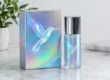
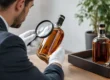
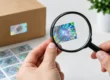
A bottle that arrives with its closure disturbed creates an immediate problem. A retailer may refuse it, a customer may question what is inside, and your brand is left managing doubt before anyone has tasted the product. Alcohol bottle seals give buyers a clear visual cue that a bottle has not been opened or substituted after leaving your control.
For distillers, wine producers, importers and drinks distributors, that small point of reassurance can do far more than improve presentation. The right seal supports product integrity, makes refilling and diversion harder, and gives customers a simple way to recognise genuine stock. It also places your brand identity directly at the point where trust matters most: the closure.
Why alcohol packaging needs more than a smart-looking closure
Premium bottles are attractive targets. Established names can be copied, while empty branded bottles may be refilled and passed on through informal or unauthorised channels. Even where deliberate counterfeiting is not the main concern, accidental interference, poor handling and unauthorised product substitution can damage customer confidence just as quickly.
A standard cap, cork or screw closure is not always enough to show whether the bottle has been accessed. A security seal creates visible evidence of opening. If somebody tries to remove it, the material can tear, fragment, leave a void message or show permanent damage. That changes a vague suspicion into a clear warning for a retailer, bartender or customer.
There is an important distinction here. Tamper evidence shows that interference has occurred. Authentication helps someone establish that the item is genuine. The strongest alcohol bottle seals can combine both functions, using a bespoke holographic design alongside a material that cannot be cleanly removed and reused.
Choosing alcohol bottle seals for the real risk
There is no single best seal for every drinks product. The right specification depends on bottle shape, closure type, storage conditions, your route to market and the threat you are trying to address. A small-batch gin sold direct to consumers has different needs from a high-volume spirit distributed across several territories.
Tamper-evident labels for caps and closures
A tamper-evident label is often applied across the cap and onto the neck or shoulder of the bottle. Opening the cap breaks the label, making reapplication difficult or impossible. This is a practical option for screw-top spirits, liqueurs and ready-to-drink products, particularly when the label needs to work with existing packaging equipment.
Destructible materials are designed to break into small pieces when lifted. Void materials leave a visible message or pattern on the bottle and sometimes within the label itself. Honeycomb-style constructions also make clean removal obvious. Each option has a different appearance after interference, so it is worth deciding who needs to spot the damage and in what setting.
For example, a bold void effect may be ideal where retail staff need a fast check. A more subtle destructible seal may better suit a premium bottle where the packaging finish is part of the experience. Neither choice is automatically superior. The practical test is whether the evidence remains clear after transport, chilled storage and normal handling.
Holographic seals for visible authentication
A custom hologram adds a feature that is difficult to reproduce with ordinary printing. It can carry your logo, a distinctive pattern or a branded visual effect that customers and trade partners learn to recognise. The changing image and light movement offer an immediate, easy-to-check sign that feels appropriate on premium alcohol packaging.
Holograms are most valuable when they are specific to your brand rather than generic. A bespoke design is harder for counterfeiters to source and gives your product a consistent security marker across a range. Colours, shapes and placement can be matched to your bottle design so security does not look like an afterthought.
Visible holographic effects are only one layer. UV features, hidden text or images, thermo-reactive elements and coin-reactive details can add checks for trained staff, distributors or investigators. These features are less obvious to a casual observer but provide a useful second line of defence when a bottle needs closer examination.
Neck seals, capsule labels and full-wrap options
Bottle neck seals are popular because they make the point of opening unmistakable. They can bridge a cap and bottle neck, sit beneath a closure, or wrap around a capsule depending on the desired look and mechanical requirements. A narrow seal can be discreet and economical; a wider wrap creates more space for branding and security devices.
The decision should not be based on appearance alone. Curved glass, textured bottles, waxed finishes and condensation all affect adhesion. So do cold-chain storage, export journeys and the possibility of bottles being submerged in ice. A security seal that looks excellent on a dry sample bottle but lifts in a busy bar is not providing reliable protection.
Design the seal around the bottle, not the other way round
The most effective projects begin with a clear picture of how the product is packed, shipped, displayed and opened. Bring the bottle, cap or closure specification into the discussion early. This helps identify the available application area, likely stress points and whether manual or machine application is appropriate.
Think about the customer journey too. Is the bottle sold through specialist retailers, supermarkets, hospitality venues or online? A seal for a premium whisky gift box may prioritise a refined branded finish. A product moving through multiple wholesalers may need highly obvious tamper evidence that can be checked at speed. If bottles are commonly chilled, wet or handled in bulk, material testing becomes especially relevant.
A good seal should support the label design rather than compete with it. Holographic details can be restrained and elegant, or deliberately prominent to make authentication simple. There is room to be creative, but clarity matters. If a customer cannot tell whether a feature is intentional, it will not offer much reassurance at the moment of purchase.
Security works best in layers
No label can remove every risk on its own. Counterfeiters and dishonest traders look for the easiest weakness, whether that is the closure, outer carton, distribution channel or product code. Alcohol bottle seals are most effective as part of a joined-up packaging and supply-chain approach.
Start with the visible layer: a seal that customers can see is intact and that cannot be transferred cleanly to another bottle. Add a bespoke holographic element to give the product a recognisable authenticity cue. For higher-risk ranges, include covert features that authorised teams can verify without advertising every detail publicly.
Physical packaging controls should sit alongside sensible operational measures. Keep records of approved packaging, suppliers and batch movements. Train warehouse and sales teams on what genuine seals look like, including the signs of removal or reapplication. If a suspicious bottle appears, photographs of the closure and seal condition can be far more useful than a general report that it “looked wrong”.
Where individual traceability is required, variable serial numbers, barcodes or custom text may be part of the wider solution. These requirements need the right production route and should be specified from the outset, rather than added late in the design process.
Avoid the common mistakes
The first mistake is treating a generic stock seal as the whole security strategy. Ready-to-buy labels can provide useful tamper evidence, but a widely available design is easier to imitate or obtain. For a product with genuine counterfeiting exposure, bespoke artwork and layered features offer a stronger barrier.
The second is specifying too much security in too little space. A small neck label cannot carry every possible device and remain easy to inspect. Select the features that serve a real purpose: one clear visible check, dependable tamper evidence and, where justified, a discreet secondary check.
Finally, do not assume a security material will behave identically on every bottle. Adhesives and films must suit the glass, coating, closure and storage environment. Testing representative bottles is a sensible investment, particularly before a large launch or a packaging change.
A practical route to a stronger bottle seal
The process does not need to be complicated. Define the risk first: are you mainly preventing refilling, proving tamper evidence, improving premium presentation or helping partners identify genuine stock? Then identify where the seal will sit and how it must perform in real conditions.
From there, a specialist can help turn the requirement into a workable combination of shape, adhesive, tamper-evident construction and holographic design. HologramLabel.co.uk supports bespoke projects with low minimum order quantities and straightforward guidance, so brands do not need to become label-production experts to make an informed choice.
A well-designed seal will not ask customers to understand complex security technology. It simply gives them a bottle that looks genuine, unopened and worthy of trust – which is exactly the impression a drinks brand should protect with every pour.