A counterfeit can look convincing at arm’s length. It may carry your logo, use near-identical packaging and sit alongside genuine stock in a warehouse, shop or distribution channel. The ability to verify products using hidden images gives authorised people a quick, repeatable way to distinguish the real item from an imitation without broadcasting every security detail to counterfeiters.
For product owners, this is not simply a packaging upgrade. A well-designed covert image can support safer purchasing, cleaner stock control and faster decisions when a product is challenged. Combined with a holographic label and tamper-evident material, it adds a valuable layer to a wider brand-protection plan.
What hidden images do in a security label
A hidden image is a visual security feature built into a hologram design but not visible in the normal way. Depending on the feature selected, the image may only appear when the label is tilted to a particular angle, viewed through a supplied decoder, examined under UV light or checked with another agreed method.
That controlled visibility is the point. A standard logo or printed mark helps customers recognise your brand, but anyone can see it and attempt to copy it. A covert image gives designated staff, distributors, inspectors or retail partners a feature they know to look for, while making the method less obvious to someone trying to reproduce the label.
The image itself can be practical rather than decorative. It might be a small version of your logo, a specific icon, a letter combination or a simple approval symbol. The best choice is normally one that is easy for trained people to recognise accurately, even when they are checking stock quickly.
How to verify products using hidden images
Verification should be designed around the people who will actually carry it out. A quality manager may have time to follow a detailed procedure; a receiving team dealing with several deliveries may not. The strongest approach is one that provides a clear pass or fail indication without relying on guesswork.
Start by defining who is authorised to check products and at which points in the supply chain. For some brands, verification happens when goods leave the factory and again on arrival at a distributor. Others need checks at retail returns, warranty claims or service centres, where counterfeit components can enter the system.
Next, give authorised users a short verification instruction. It should explain where the hologram label sits, how to view or reveal the image, what they should see and what to do if the result is unclear. Keep this instruction separate from public-facing packaging information. The less widely the verification method is shared, the more useful the covert feature remains.
The physical check should be consistent. Inspect the label for signs of removal, damage or replacement first. Then use the agreed viewing method to reveal the hidden image. Confirm that the image is present, sharp enough to identify and in the expected position. If the image is missing, distorted beyond recognition or appears on a label with obvious interference, the product should be set aside for investigation rather than released automatically.
A hidden image is most effective when it is one part of a simple decision process. Staff should know that a visible holographic effect alone is not proof of authenticity. Equally, a genuine hidden image does not necessarily answer every question about a product’s origin or condition. It is a strong authentication signal, particularly when paired with tamper evidence and controlled purchasing routes.
Make the check easy to repeat
A security feature only works when people use it correctly. Avoid an authentication process that requires specialist knowledge, poor lighting or lengthy reference documents for routine checks. If UV viewing is required, make sure the right lamp is available where products are received or inspected. If a decoder is used, assign responsibility for it and keep replacements available.
Training does not need to be complicated. A short demonstration using genuine labels and approved reference samples is often enough to show teams what a correct result looks like. It also helps them recognise normal variations caused by lighting, curved containers or label placement.
Record exceptions. A basic process that notes the date, product type, supplier, batch reference where applicable and reason for rejection can reveal patterns over time. Repeated issues from one route, region or supplier warrant closer attention, even if each case initially appears isolated.
Choosing the right hidden-image method
There is no single best covert feature for every product. The right solution depends on your risk level, packaging surface, budget, inspection environment and the number of people who need to verify the item.
An angle-dependent hidden image can be useful where staff need a fast visual check without additional equipment. It is convenient for warehouse, retail and field teams, although the viewing angle must be clear and repeatable. UV-reactive hidden details offer greater discretion because the feature cannot be seen under ordinary lighting, but they require a UV lamp and a process that ensures it is used.
Decoder-viewed images can provide a more controlled check, which may suit higher-value goods, pharmaceuticals, electronics, branded components or collectible items. The trade-off is operational: authorised checkers need access to the decoder and training in its use. For a low-value, high-volume product, a simpler overt-and-covert combination may be the better commercial choice.
The design also matters. A highly detailed hidden image can be impressive, but a small label on a curved cosmetic bottle or compact electrical part may call for a bold, simple symbol instead. Your security label should fit the product, not force the product to fit the label.
Hidden images work better with layered protection
Counterfeiters look for the easiest route. That is why a single feature, however clever, should not carry the full burden of product protection. A layered label makes copying, removing and reapplying the security device more difficult while giving different users appropriate ways to inspect it.
A customer may see the holographic finish and branded artwork. A retailer can check a visible design detail. Your internal team or authorised distributor can verify the covert image. Meanwhile, a destructible, void or honeycomb tamper-evident material can show whether the label has been lifted or the pack opened.
This combination creates practical benefits beyond anti-counterfeiting. It can discourage unauthorised substitution, make diverted goods easier to question and protect the integrity of warranty returns. For alcohol, cosmetics and consumer goods, it can also reinforce the sense that the brand takes product safety seriously. For industrial parts and electronics, it gives receiving and service teams a clearer basis for accepting or quarantining stock.
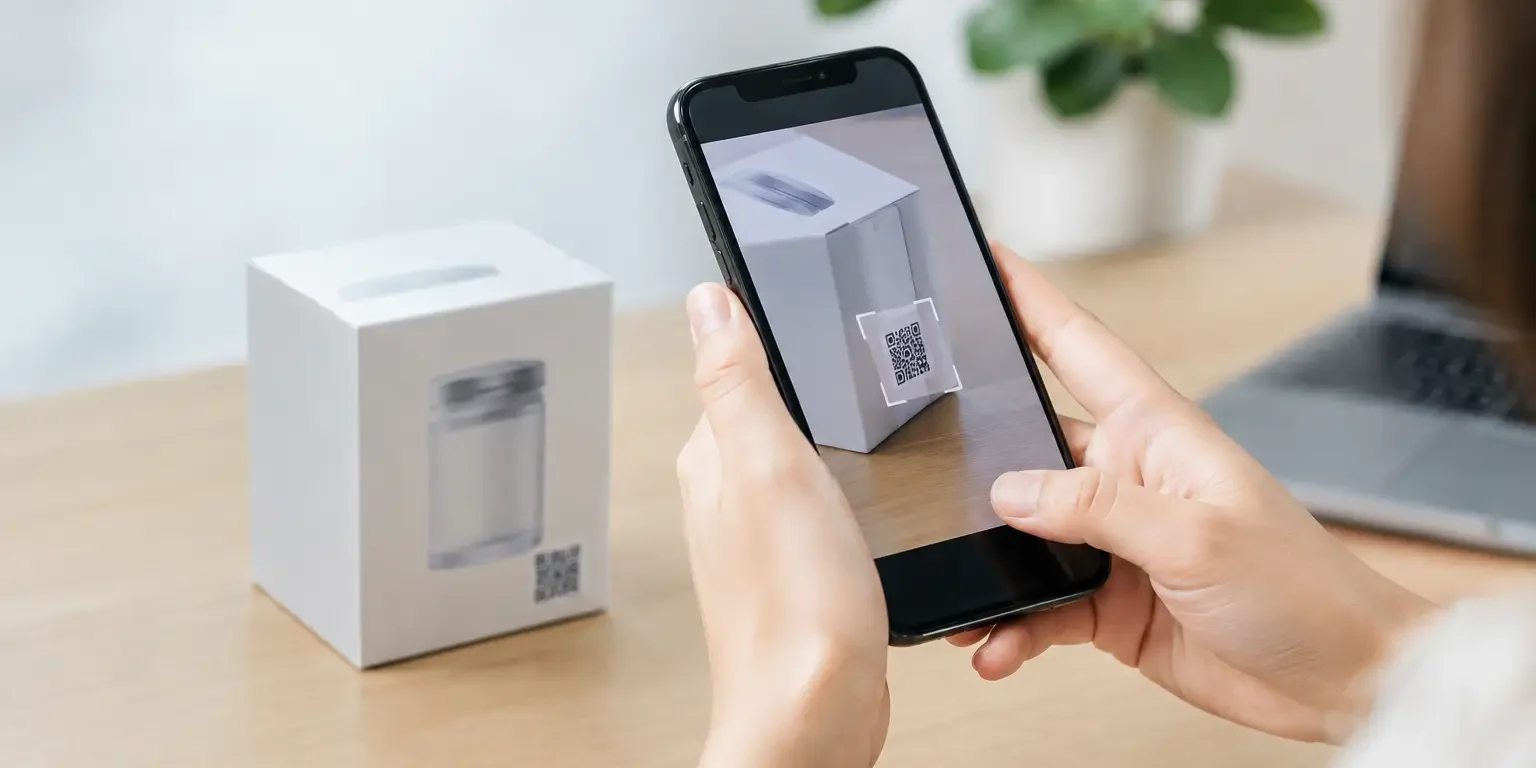
Where detailed traceability is required, hidden-image holograms can sit alongside variable information such as serial numbers, batch data or barcodes. These tools perform different jobs. The hidden image helps establish that the label carries an agreed security feature; variable data helps identify a particular item or production run. Using both can be appropriate, but only if your team has a process for checking and acting on the information.
Avoid the common weaknesses
The most common mistake is treating a hidden image as a secret that never needs managing. Security information should be restricted, but it must still be documented for the people responsible for authentication. If a key team member leaves or a new distributor starts handling stock, the ability to verify goods should not disappear with them.
Another weakness is failing to test the label on the real packaging. Label size, metallic surfaces, textured cartons, curved bottles, cold storage and handling conditions can all affect usability. Before committing to a full production run, assess samples on the actual product and ask the people who will inspect them to carry out the check.
Finally, do not make claims that exceed the system. No label can stop every counterfeit attempt. What it can do is raise the difficulty and cost of imitation, reveal signs of interference and give your business a credible method for checking suspect goods. That is a practical improvement, not a promise of absolute protection.
Build verification into the label design from the start
The best time to plan a covert image is before packaging artwork and fulfilment processes are fixed. Decide what needs protecting, who will verify it and how quickly they need an answer. From there, the hologram design, hidden image, adhesive and tamper-evident material can be selected as one coherent solution.
HologramLabel.co.uk can help turn that brief into a bespoke label without making the process needlessly technical. Bring the product, packaging format and security concern to the conversation, then build the verification method around the way your team works. A hidden image is most valuable when it gives the right person confidence to stop a questionable product before it becomes a customer problem.