A security label is only as effective as the material beneath its design. A bright holographic finish may catch the eye on a cosmetics carton or electronics pack, but the right hologram foil materials must also suit the product surface, supply chain, handling conditions and level of risk. Get that choice right and the label helps customers recognise the genuine article, makes interference visible and strengthens the perceived quality of the product.
For UK businesses, this is rarely just a packaging decision. Counterfeit goods, unauthorised substitution and opened packaging can damage revenue and consumer trust quickly. The most suitable holographic material gives your product a practical layer of defence without making procurement needlessly complicated.
What hologram foil materials actually do
The term can describe several related constructions, including holographic films, foil-based finishes and pressure-sensitive hologram labels. In practice, a finished security label is usually made from a holographic face material, adhesive and release liner. Each part affects how the label looks, applies and responds if somebody tries to remove it.
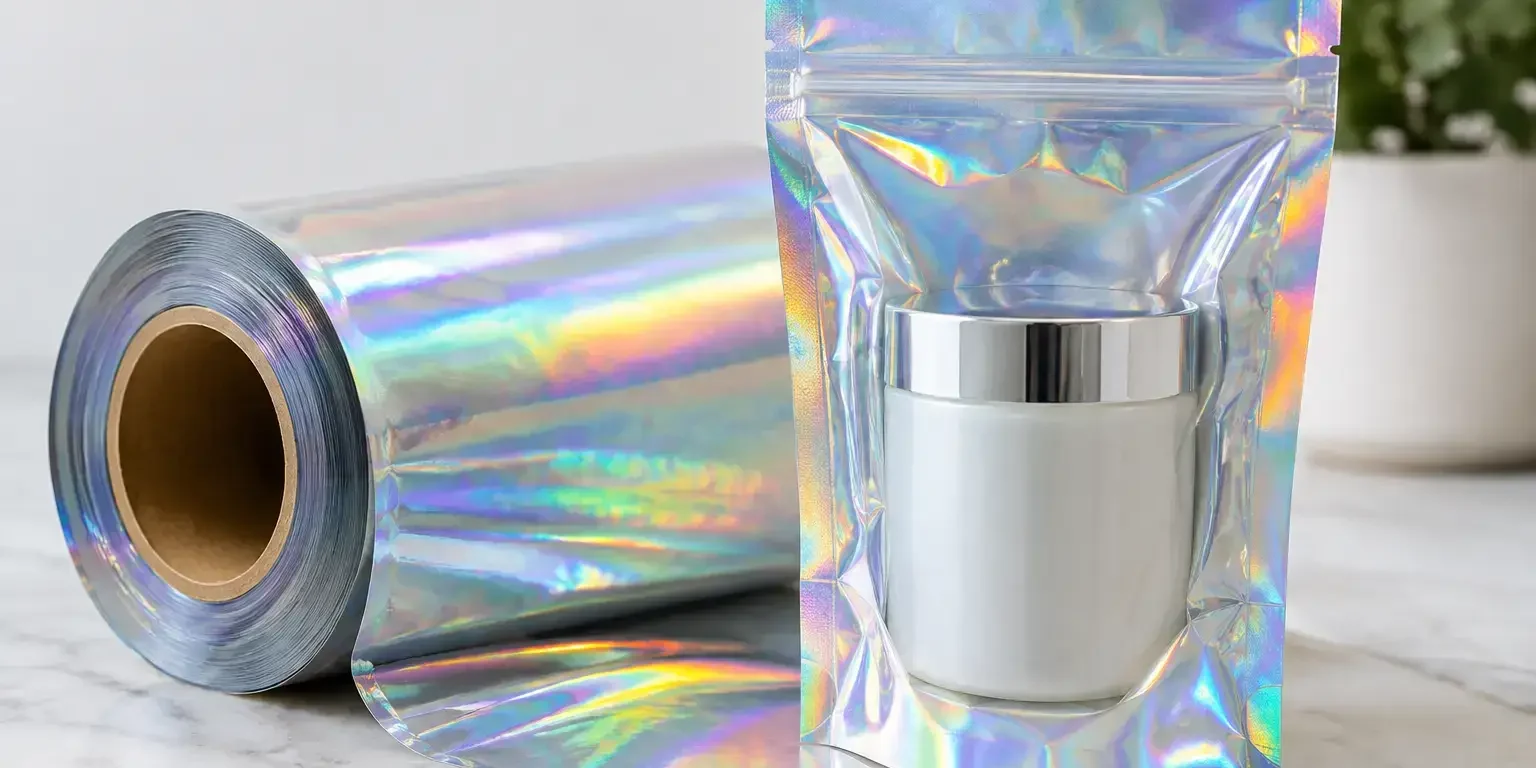
The holographic surface creates a distinctive changing image as it catches the light. This is an overt security feature, meaning that retailers, distributors and end users can see it without tools or training. A bespoke design can incorporate a logo, repeating pattern, text or graphic imagery into that effect, making it more recognisable than a generic rainbow label.
However, appearance alone is not a complete anti-counterfeit strategy. A determined copier may reproduce a reflective look at a glance. Stronger protection comes from combining the holographic material with a custom master design, tamper-evident construction and, where appropriate, hidden authentication features. The goal is to make copying more difficult, removal more obvious and genuine products easier to identify.
Choose the material around the product, not just the design
The first question is not “Which hologram looks best?” It is “What must this label survive?” A label applied to a smooth, dry carton has very different requirements from one fitted to a curved bottle, metal component, plastic casing or textured retail pack.
Polyester holographic films
Polyester, often called PET, is a common choice where durability matters. It provides a crisp holographic finish and resists scuffing better than many paper-based options. It is well suited to electronics, industrial parts, automotive components and branded goods that may face regular handling.
It can also support detailed bespoke imagery and fine text. Where a label needs to remain legible and attractive for the life of a product, polyester is often a sensible starting point. The trade-off is that it is designed to stay intact, so it will not automatically show tampering unless paired with a suitable void or other tamper-evident system.
Destructible holographic materials
Destructible materials are made to break apart when removal is attempted. Once applied, they cannot normally be lifted off in one piece and reapplied elsewhere. This makes them valuable for warranty seals, product closures, authentication points and components vulnerable to unauthorised substitution.
Their limitation is equally important: because the material fragments, it is not intended for applications where the label may need to be removed cleanly during legitimate servicing. Surface preparation also matters. Dust, oil, moisture or uneven textures can reduce adhesive performance, whatever material is chosen.
Void and honeycomb tamper-evident constructions
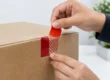
Void labels leave a visible message or patterned residue when lifted, often revealing wording such as VOID or a honeycomb pattern. They offer a clear signal that packaging has been opened or a label has been disturbed. This makes them particularly effective over carton flaps, bottle closures, pharmaceutical packs and electronic housings.
Some constructions show the evidence on both the label and the surface, while others are designed to leave less residue. The correct choice depends on the pack material and the practical consequences of residue. A premium retail carton may call for a clean-looking result, while a high-risk industrial component may benefit from the most obvious possible evidence of interference.
Holographic paper and foil effects for presentation
Holographic paper or foil-effect materials can give promotional packaging, certificates and limited-edition goods a premium reflective finish. They may be the right choice when visual distinction is the main priority and the label is not exposed to heavy wear.
For security-sensitive products, though, a decorative holographic finish should not be mistaken for a tamper-evident label. It can be part of the overall solution, but it needs to be specified alongside the security function you require.
Adhesive is part of the security decision
A high-quality holographic face material cannot compensate for an unsuitable adhesive. Adhesive performance depends on the surface, the application temperature, the storage environment and the expected lifespan of the label.
Permanent adhesive works well for many clean, smooth surfaces such as coated cartons, glass, metal and suitable plastics. High-tack options may be needed for more challenging or low-energy plastic surfaces. Labels applied in cold environments, exposed to moisture or used outdoors may require specialist adhesive selection and testing.
It is worth being direct about the application. Is the surface curved? Is it recycled board, rough plastic or powder-coated metal? Will the product be chilled, shipped internationally or stored in a warehouse with temperature swings? These details allow a supplier to recommend a material that performs as intended rather than one that simply looks right in a sample pack.
Build security in layers
The strongest label programmes use material choice as one layer in a wider system. A custom holographic pattern helps customers identify genuine stock. A void or destructible construction indicates whether the item has been opened. Covert features give authorised staff an additional way to check authenticity.
Useful options can include UV-reactive details, hidden text or imagery, thermo-reactive features, coin-reactive elements and scratch-off panels. Not every product needs every feature. Adding too many elements can increase cost and complicate inspection without producing a proportionate benefit.
The sensible approach is to match the security level to the commercial risk. A high-value electronic device, regulated medicine or collectible may need multiple visible and hidden checks. A lower-risk retail item may benefit most from a distinctive custom hologram and simple tamper evidence. Security works best when the people checking it know what to look for and why it matters.
Questions to settle before specifying hologram foil materials
A clear brief saves time and helps avoid a material mismatch. Before ordering, establish whether the label’s primary job is authentication, tamper evidence, warranty protection, premium presentation or a combination of these. You should also consider the product surface, label dimensions, application method, expected environmental exposure and whether removal should leave visible evidence.
Think about who will inspect the label. Consumers need features that are easy to spot, such as a recognisable holographic logo or a broken seal. Warehouse teams and authorised distributors may be able to use UV or hidden features as a second check. This distinction helps prevent a common mistake: relying on a sophisticated feature that no one in the supply chain is equipped to verify.
If variable serial numbers, barcodes, asset tracking or individual custom text are needed, raise this at the start. These requirements may call for a coordinated label solution rather than a standard hologram-only format.
From artwork to a reliable finished label
Bespoke holograms need more than a logo placed on a reflective background. The design must be created for the way holographic diffraction works, with security devices positioned so they remain visible at the intended label size. Fine details can look impressive, but only if they can be recognised under normal handling conditions.
A collaborative design process makes this easier. Share the product photographs, packaging substrate, intended application point and any known counterfeiting concerns. A Scotland-based specialist such as HologramLabel.co.uk can then help translate a brand concept into a practical label construction, including tamper evidence where it is needed rather than treating it as an expensive add-on.
Samples and trials are particularly valuable for unusual surfaces or demanding environments. Applying a sample to the actual pack can reveal issues with adhesion, label conformability and tamper performance before full production. It is a small step that protects both the finished product and the budget.
The right hologram foil material should make authenticity easier to see and interference harder to hide. Start with the risks your product genuinely faces, then choose a construction that gives your customers and your team a clear, dependable signal of what is genuine.