A counterfeit cosmetics jar can look convincing on a shelf. A copied automotive part may look acceptable until it fails. In both cases, the commercial damage reaches far beyond one lost sale. So, can holograms prevent counterfeiting? Not on their own, and no responsible supplier should claim otherwise. But a well-designed hologram label makes copying harder, checking faster and packaging interference far more obvious.
For UK businesses, that combination matters. It helps protect revenue, product integrity and the confidence customers place in your name. The most effective labels do more than add a shiny finish: they give distributors, retailers, inspectors and end users practical ways to recognise the genuine article.
Can holograms prevent counterfeiting completely?
Counterfeiters adapt. If a product is valuable enough, someone may try to imitate its packaging, reproduce a simple sticker or move unauthorised goods through a supply chain. A hologram is therefore not a magic barrier. It is one layer in a wider product-protection plan.
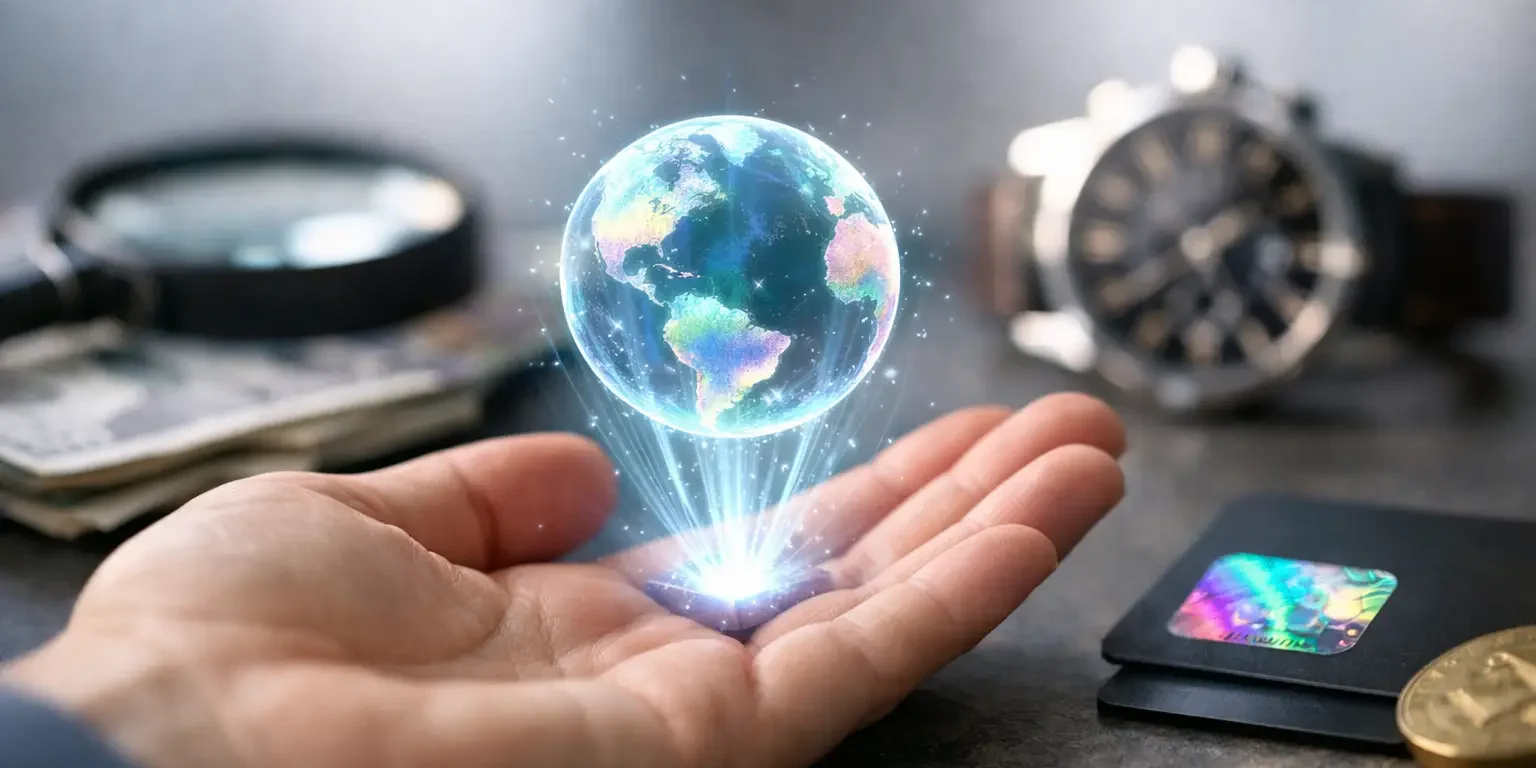
Its strength is that genuine holographic imagery is difficult to reproduce convincingly with ordinary print processes. A true hologram produces changing visual effects as it moves in the light. Fine detail, diffraction patterns, microtext and hidden images can be built into the design in ways that are challenging and expensive to copy accurately.
That raises the counterfeiter’s cost and reduces their opportunity. A poor imitation can be spotted quickly by a trained buyer or a customer who knows what to look for. More sophisticated features create an additional challenge that is not obvious from the outside.
The answer, then, is practical rather than absolute. Holograms can prevent many counterfeit products from passing as genuine, deter opportunistic copying and help expose attempted fraud. Their effectiveness depends on the label specification, the value and risk profile of the product, and the checks surrounding it.
Why a generic hologram is rarely enough
Ready-to-buy stock hologram labels can provide a visible deterrent and a useful tamper-evident seal, particularly for lower-risk products or short runs. They are a straightforward way to show that packaging has been protected. However, if the same design is widely available, it cannot prove that a particular product came from your business.
For stronger brand protection, bespoke hologram labels are normally the better choice. Your logo, name, colour elements or a recognisable pattern can be incorporated into the holographic design. A counterfeiter then has to copy your packaging and replicate a security device made specifically for your brand.
This is where thoughtful design pays off. A label must be distinctive enough for genuine users to identify but not so complicated that staff cannot explain the basic visual check. The best approach usually combines an obvious feature for quick inspection with one or more harder-to-find features for formal authentication.
Overt features make first checks simple
Overt features are visible without special equipment. They may include a shifting holographic image, bespoke artwork, fine microtext, a repeated logo pattern or a hidden image that appears when the label is tilted.
These details give warehouse teams, retailers and consumers something immediate to inspect. If the expected effect is absent, blurred or printed flat, the product can be held back before it reaches the next stage of the supply chain.
Covert features give you a second line of defence
Covert features are intended for authorised checks. UV-reactive elements, concealed text or images, thermo-reactive inks and coin-reactive features are examples. They are not designed to be obvious to everyone, which makes them useful when a counterfeiter has seen the external label.
The key is to match the feature to the people who will use it. A UV feature works well if relevant staff have access to a UV light and a clear process for checking it. A concealed image can be useful for field representatives or investigators. Security only works when it is practical to verify.
Tamper evidence protects more than the label
Counterfeiting and package tampering often overlap. A criminal may try to remove a genuine label from a low-value item and apply it to a fake, refill a container, or open a pack and substitute its contents. That is why the material behind the hologram matters as much as the holographic face.
Destructible materials break up when removal is attempted. Void labels leave a clear message or pattern on the product surface and the lifted label. Honeycomb materials reveal a visible pattern when disturbed. Used as a seal across a closure, these materials show whether the package has been opened after leaving your control.
There is a trade-off. A highly destructive label may be ideal for a carton closure or electronics casing but unsuitable for an application where clean removal is required. Surface type, temperature, moisture, label size and the intended life of the product all affect the right choice. This is why a sample test on the real packaging is worth doing before a full production run.
Build the label around the real risk
A premium spirits brand, a pharmaceutical supplier and an industrial parts manufacturer do not face identical threats. The label should reflect what is at stake and where a false product is most likely to enter the chain.
Start by asking a few direct questions. Is the greatest risk an outright fake, grey-market diversion, refilling, unauthorised opening or warranty fraud? Who needs to authenticate the item: a consumer, a retailer, an engineer or an internal quality team? Will the label sit on glass, cardboard, plastic, metal or a textured surface?
The answers shape the specification. A consumer product may benefit from a clear tilt effect and a tamper seal. A high-value component may need hidden security details and a material that cannot be lifted intact. A business with multiple product lines may choose related designs so that the security system remains recognisable while each range retains its own identity.
Variable information can strengthen control further. Unique serial numbers, barcodes, QR codes and custom text can support traceability and investigation where appropriate. These are usually managed as part of a broader variable-data label programme rather than the hologram alone, so the production route should be planned early.
Make authentication part of daily operations
A label is only useful if people know what to do with it. Give relevant teams a short, clear instruction: check the holographic movement, inspect the seal for damage and use the agreed secondary feature when anything looks wrong. A complicated procedure that nobody follows offers less protection than a simple routine applied consistently.
Retail and distribution partners should also know how to report suspect stock. Record batch details, retain photographs where possible and avoid returning questionable goods into saleable inventory before they have been assessed. Clear escalation protects evidence and can reveal repeated issues in a particular route or region.
It is also sensible to review the design periodically. If a product becomes more valuable, distribution expands or counterfeit activity increases, the security label may need another layer. Security is not a one-off purchase. It is an active part of protecting a growing brand.
Choosing a workable security-label partner
Price matters, but the cheapest label can be expensive if it does not adhere properly, cannot show tampering or offers no distinction from a freely available stock design. Look for clear advice on materials, security options, artwork and realistic lead times. You should be able to understand what each feature does and why it has been recommended.
At HologramLabel.co.uk, bespoke concepts can combine branded holographic artwork with overt, covert and tamper-evident features without making the process unnecessarily technical. Low minimum quantities also mean smaller brands can begin with meaningful protection rather than waiting until counterfeiting becomes a major problem.
Bring the actual pack, the likely threat and your brand ideas to the conversation. From there, a well-chosen hologram label can give genuine products a clear identity and make anyone trying to imitate them work much harder.